
Garden clearance in Historic Jeddah
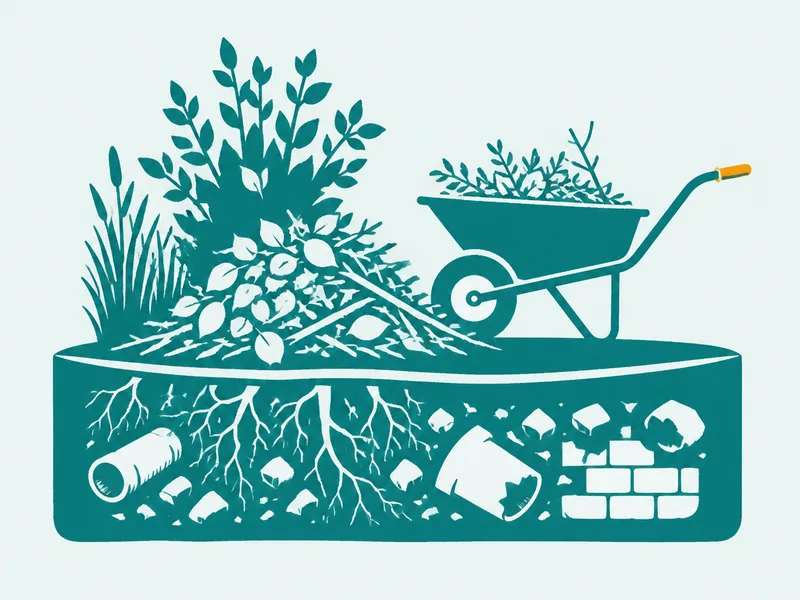
Historic Jeddah is an ancient quarter of closely set stone buildings, narrow lanes and centuries-old infrastructure where any outdoor space is tiny and hemmed in by thick stone walls. Weeds grow from cracks in stone and from the little soil present, and sea humidity keeps everything perpetually damp even in summer, so vegetation regrows rapidly after clearing.
- Weeds pulled by the root
- Shrubs cut back cleanly
- Suited to villa gardens
- All waste loaded away
What overgrowth does to an outdoor space
The area is a UNESCO World Heritage site with stone and timber merchant houses in the roshan style dating to the fifteenth and sixteenth centuries, containing traditional markets and lanes so narrow that any outdoor space is minimal and difficult to access.
-
Getting the garden ready for use
Before hosting guests in an outdoor space within Historic Jeddah, cleaning stone surfaces and borders of algae and damp creates a far better impression than neglect and deterioration.
-
Stopping overgrowth before it takes hold
Regular maintenance is essential here because persistent humidity and shadow mean rapid weed and algae regrowth, and small confined spaces mean neglect becomes visibly obvious very quickly.
-
Preparing a property for handover
After winter weather, moisture and algae deposits on stone surfaces build up significantly, and careful cleaning preserves both the appearance and the heritage character of the district.
-
Clearing after construction or renovation
When handing over a historic property in Al Balad, careful clearing of outdoor spaces reflects respect for the archaeological and heritage value of the site and location.
What the service covers, step by step
-
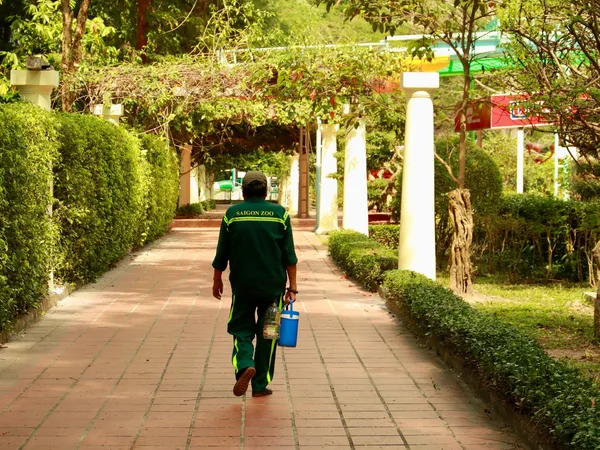
walking the garden before work
-
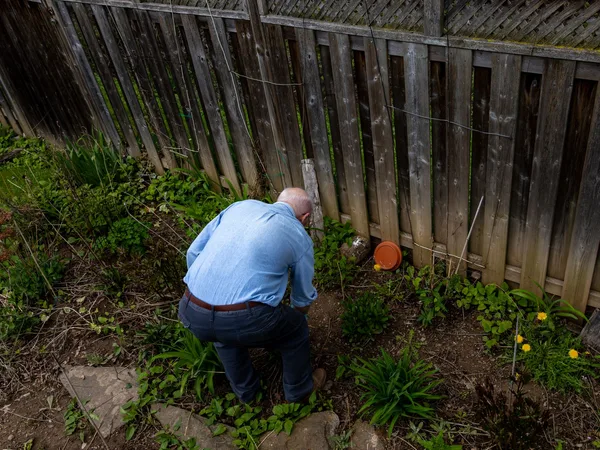
pulling weeds from the soil
-
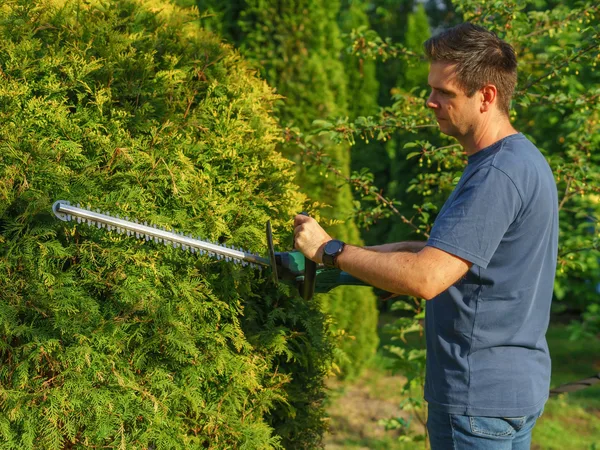
trimming overgrown shrubs and hedges
-

raking fallen leaves and debris
-
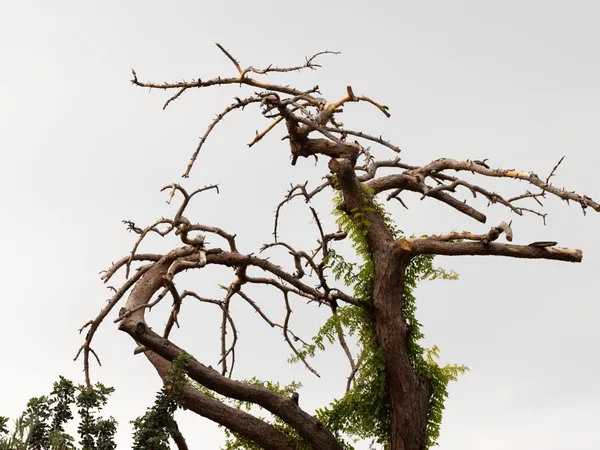
clearing dead branches and waste
-
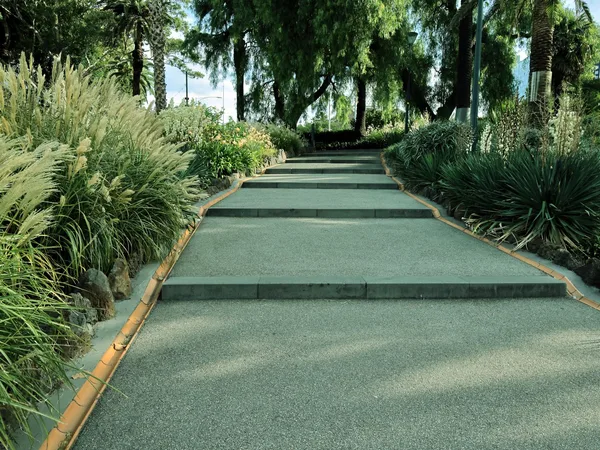
sweeping garden paths and walkways
-
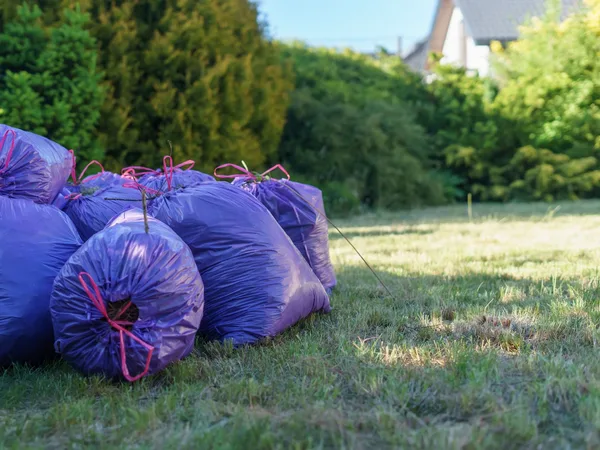
bagging all cut plant material
-

loading waste onto the vehicle
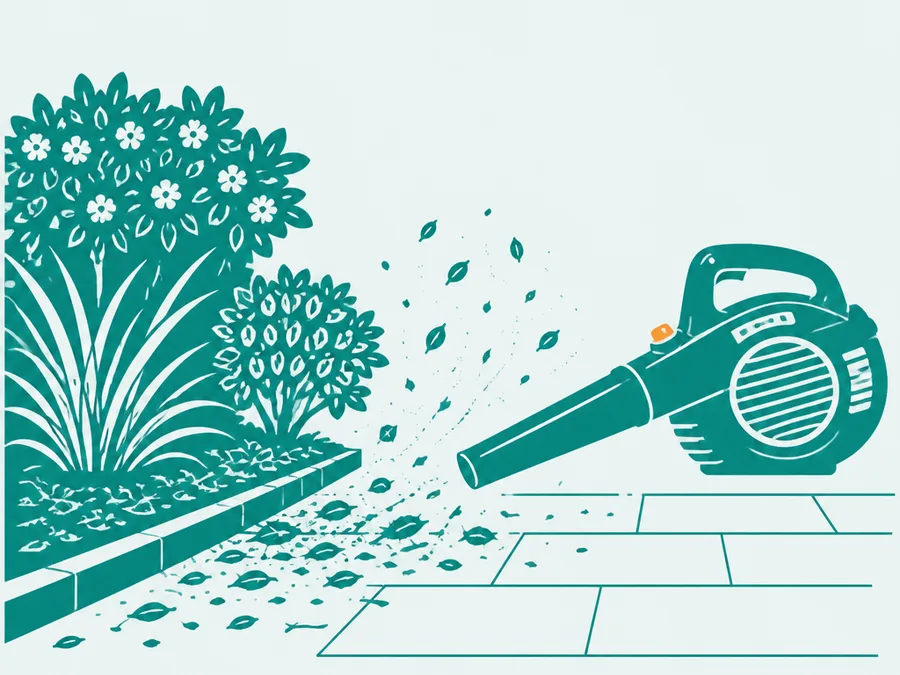
How a garden clearance job runs
-
Booking and site information
-
Walking the garden on arrival
-
Clearing, cutting and sweeping
-
Bagging and loading the waste
What changes about garden clearance in Historic Jeddah
Passages between historic buildings are so confined that the team must squeeze through carefully, plant waste comes out almost piece by piece by hand, and there is nowhere nearby to stage equipment or collect debris before removal. For the whole method, see what garden clearance involves.
-
The first reason
Ancient stone and clay hold deep weed roots firmly
Soil between old stone foundations is mixed with clay and rubble and moisture, so weeds develop deep roots penetrating cracks, and removal must be done carefully to avoid damaging the historic stone surfaces and the archaeological value of the site.
-
The second reason
Coastal damp and permanent shadow breed algae and moss
The sea is very close and narrow lanes never catch direct sun, so humidity is constant and algae grows on stone and surfaces, while weeds never fully dry out, meaning rapid regrowth after clearing work.
-
The third reason
Confined spaces severely limit equipment and methods
Streets and passages will not permit machinery or trolleys, so work is done by hand with portable tools, and waste removal requires multiple trips from the old quarter out beyond the walls, making the work labour-intensive and slow.
Landmarks of Historic Jeddah
Clearing spaces near Al Shafii Mosque and Souk Al Alawi requires special coordination because the lanes leading to them are congested and narrow, and work must be timed to avoid disrupting daily shopping and prayer activity in the heart of the old quarter.
- Al Shafii Mosque
- Uthman ibn Affan Mosque
- Souk Al Alawi
- Souk Al Nada
What the garden looks like after the work
Clear paths and open ground
Every walkway is swept and free of debris.
Shrubs cut back to shape
Overgrown hedges and bushes are trimmed to their natural line.
All waste removed from the property
Every piece of cut material is bagged and taken off the site.
What our customers said
«شغلهم ما شاء الله، أنصح الجميع بالتعامل معهم. عن تجربة وثقة.»
«أفضل شركة تنظيف بالبخار. أسعارهم ممتازة وشغلهم مرة كويس.»
«خدمة ممتازة.»
«ممتازين.»
Some of our work
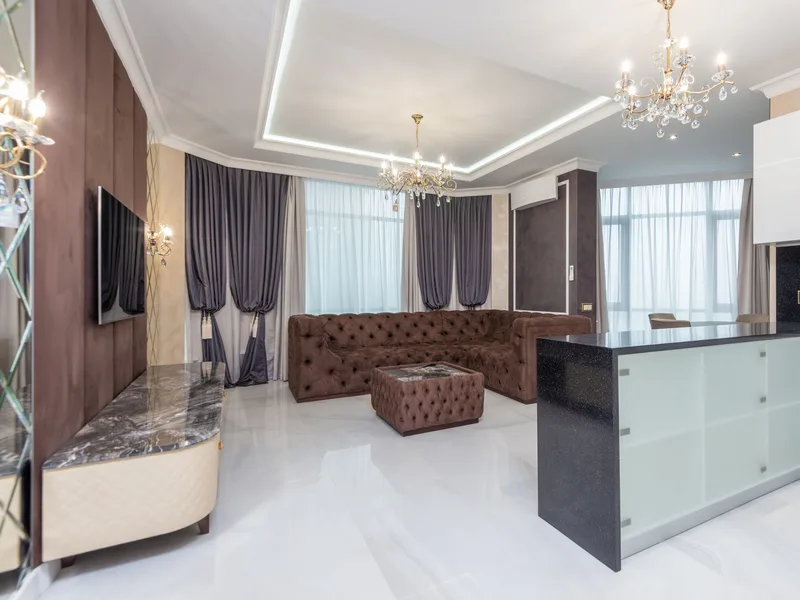
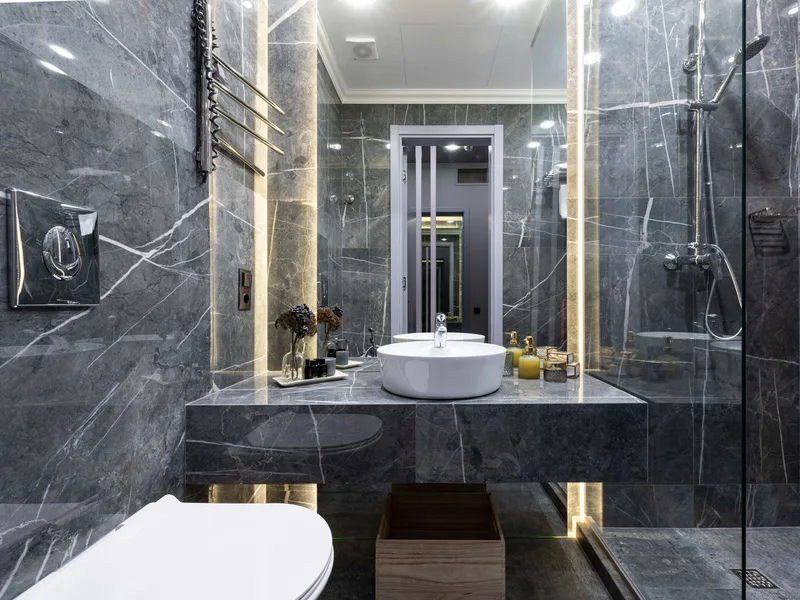
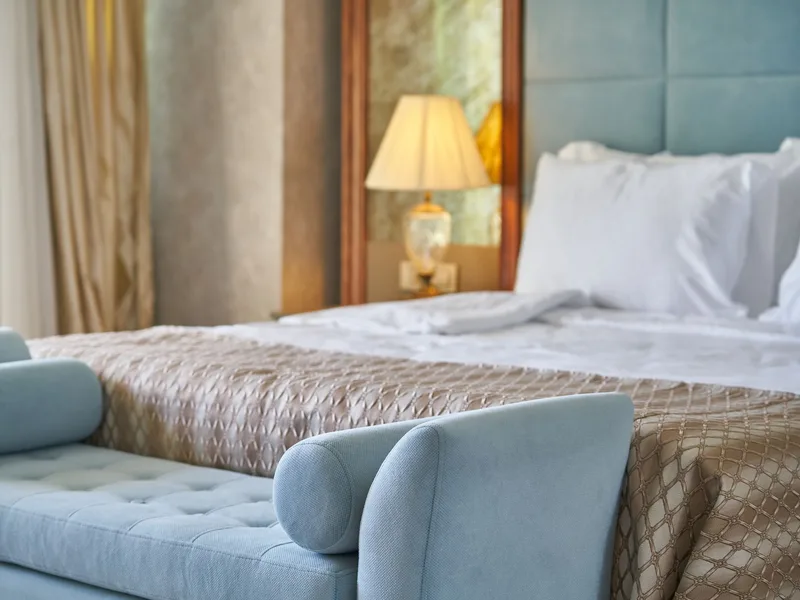
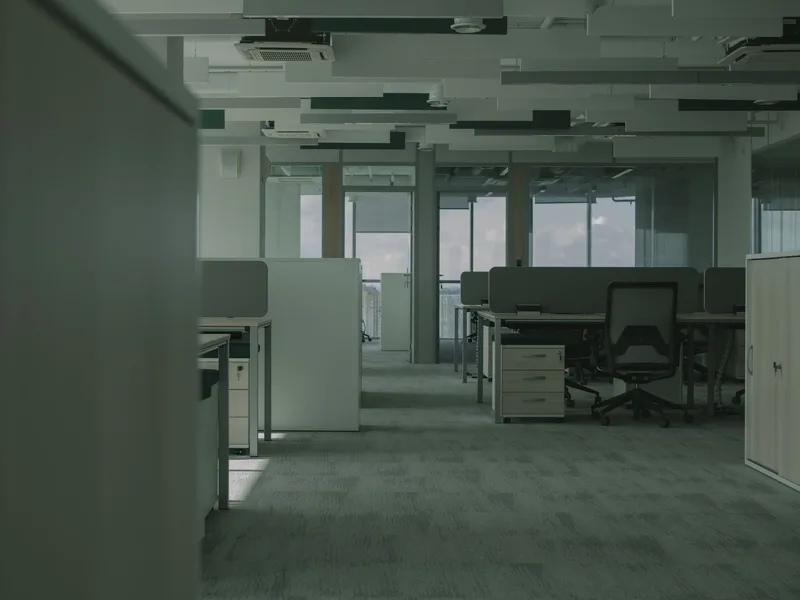
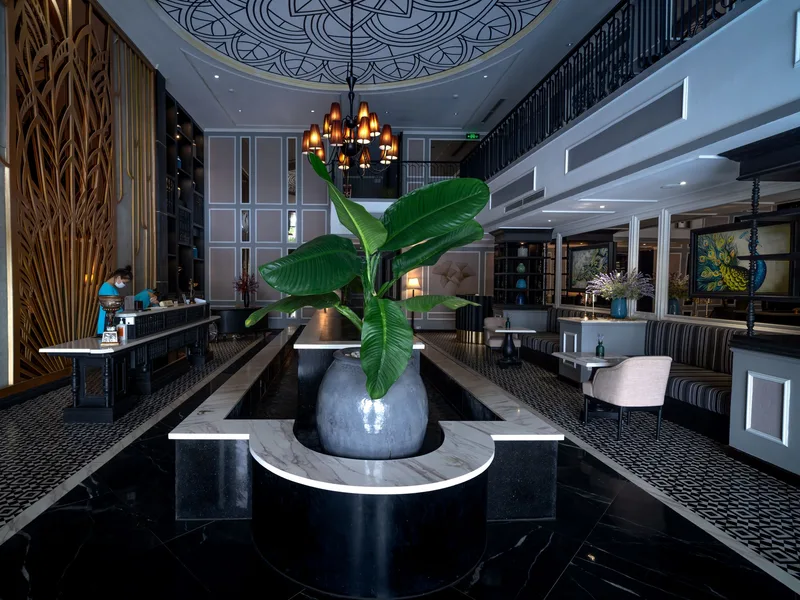
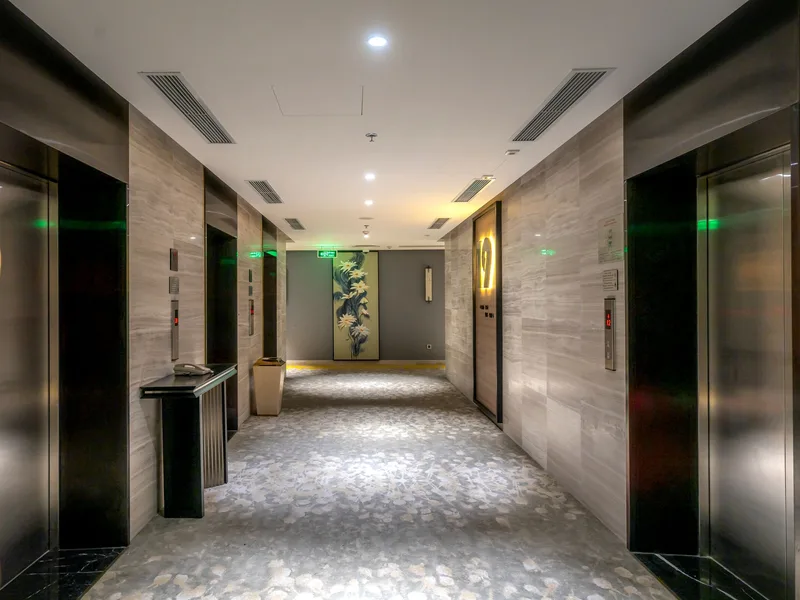
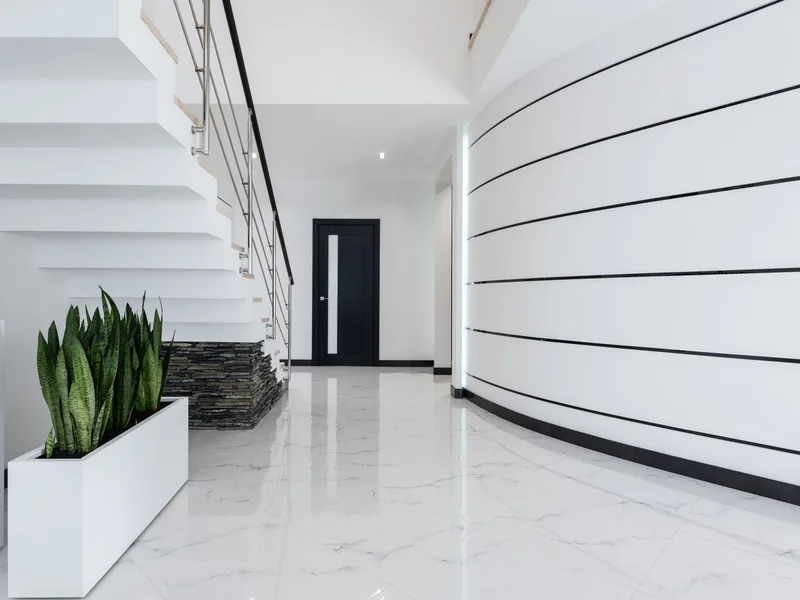
Illustrative photographs. Our own job photographs go here as soon as the client approves them.
What is different about Central Jeddah
Central Jeddah is the densest part of the city. Around the historic core of Al Balad the streets are narrow, the blocks are old, and most buildings have shops at ground level with flats above, so stairwells open onto markets and workshops. The main arteries, Madinah Road, King Fahd Road and Palestine Street, carry the heaviest traffic in Jeddah, and their exhaust leaves a dark, greasy soot unlike the dry sand of the outskirts. Old render holds it, summer heat bakes it on, and restoration work in the old quarter adds stone dust.
Nearby districts we cover
Questions worth asking first
No, but we must use special care and fine hand tools to avoid cracking stone or disturbing mortar, employing gentle techniques to preserve both the structural integrity and historical value.
Yes, algae and mould require gentle removal without strong chemicals that could damage historic stone, so we use light mechanical cleaning that is safe for fragile aged surfaces.
Spaces are tiny but access is severely limited and every movement requires care, so the work may take longer per square metre than a similarly sized modern villa garden.
Yes, but only small species that tolerate permanent shade and persistent dampness should be used, and limited soil means growth will always be very slow and require careful selection.
Yes, constant sea-driven moisture means weeds reappear much faster than in inland areas, so regular maintenance is needed more frequently than in drier parts of the city.
Much longer, as lanes are too narrow for vehicles and no nearby staging area exists, so all waste comes out by hand through confined passages, requiring many trips.
It is set after we see the job, because the price follows the kind of work, the size of the space, its condition and the time and materials it needs. Send a photo and a short description on WhatsApp and we will give you an estimate before we reach Historic Jeddah.
For a standard residential garden, a few days notice is usually enough.
Very little.
Other services in Historic Jeddah
We also provide these services in Historic Jeddah.
-
 Full deep clean in Historic Jeddah
-
 Disinfection and sanitising in Historic Jeddah
-
 House cleaning in Historic Jeddah
-
 Kitchen cleaning in Historic Jeddah
-
 Sofa cleaning in Historic Jeddah
-
 Carpet and rug cleaning in Historic Jeddah
-
 Mattress cleaning in Historic Jeddah
-
 Curtain cleaning in Historic Jeddah
-
 Apartment cleaning in Historic Jeddah
-
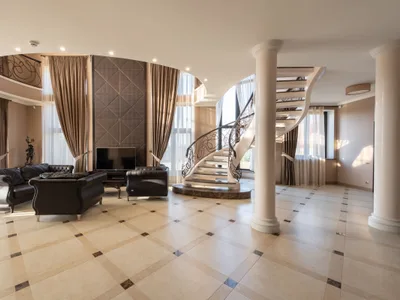 Villa cleaning in Historic Jeddah
-
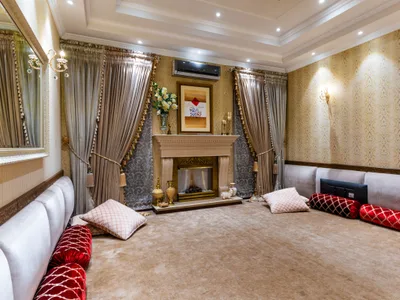 Majlis and rest-house cleaning in Historic Jeddah
-
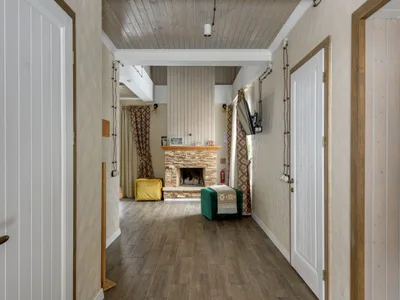 Chalet cleaning in Historic Jeddah
-
 Yacht cleaning in Historic Jeddah
-
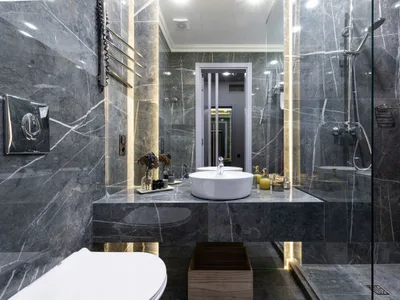 Bathroom cleaning in Historic Jeddah
-
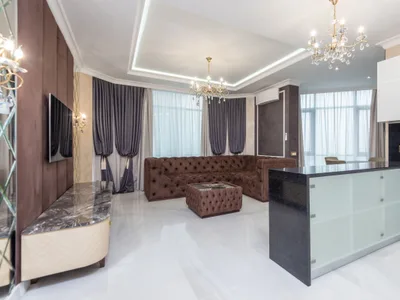 Chandelier cleaning in Historic Jeddah
-
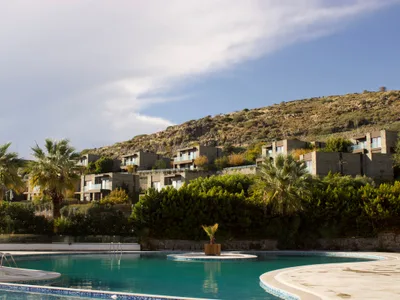 Swimming pool cleaning in Historic Jeddah
-
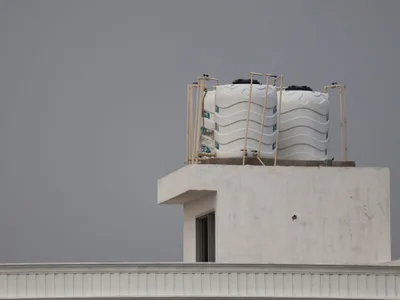 Water tank cleaning and sterilising in Historic Jeddah
-
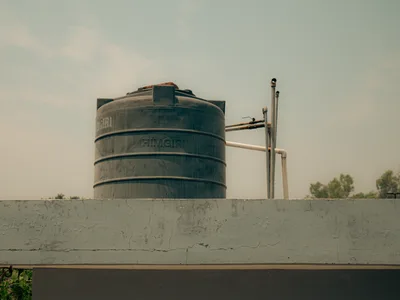 Water tank waterproofing in Historic Jeddah
-
 Move in and move out cleaning in Historic Jeddah
-
 Post-construction cleaning in Historic Jeddah
-
 Pest control in Historic Jeddah
-
 Bed bug treatment
-
 Office cleaning
-
 Restaurant cleaning
-
 Hotel and resort cleaning
-
 Shopping centre cleaning
-
 Retail cleaning
-
 School cleaning
-
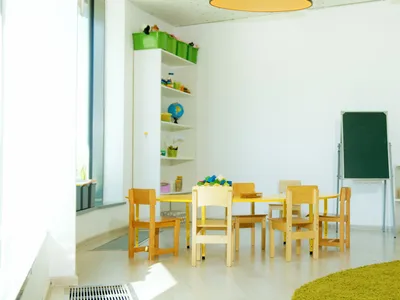 Nursery and kindergarten cleaning
-
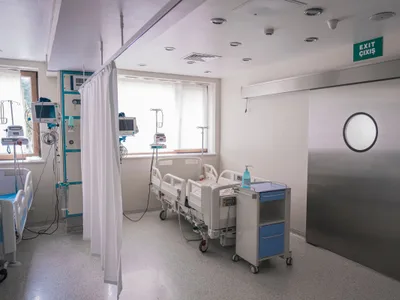 Hospital cleaning
-
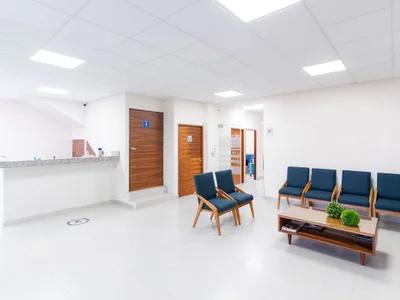 Clinic and health-centre cleaning
-
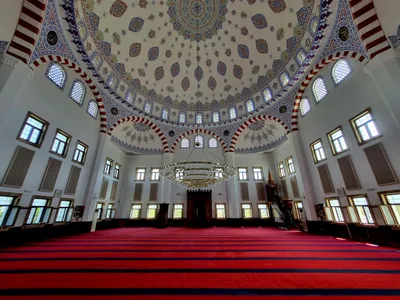 Mosque cleaning
-
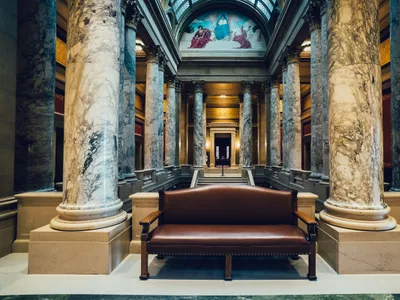 Government facility cleaning
-
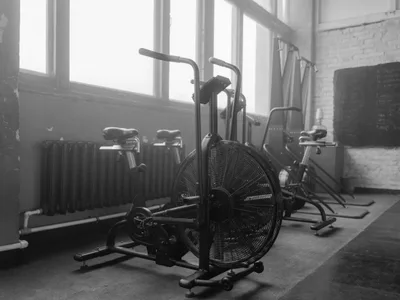 Gym cleaning
-
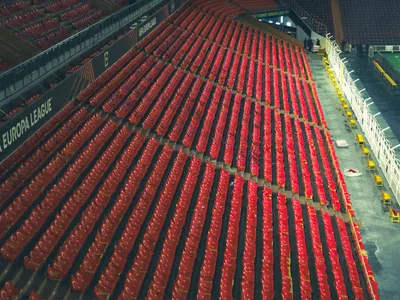 Sports ground cleaning
-
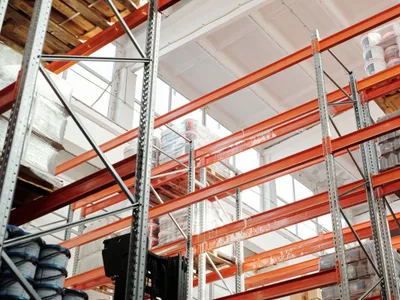 Factory and warehouse cleaning
-
 Event cleaning
-
 Commercial post-construction cleaning
-
 Building facade cleaning
-
 Air duct and HVAC cleaning
-
 Marble grinding and crystal polishing
-
 Commercial pest control