Curtain cleaning in Al Wadi, Jeddah
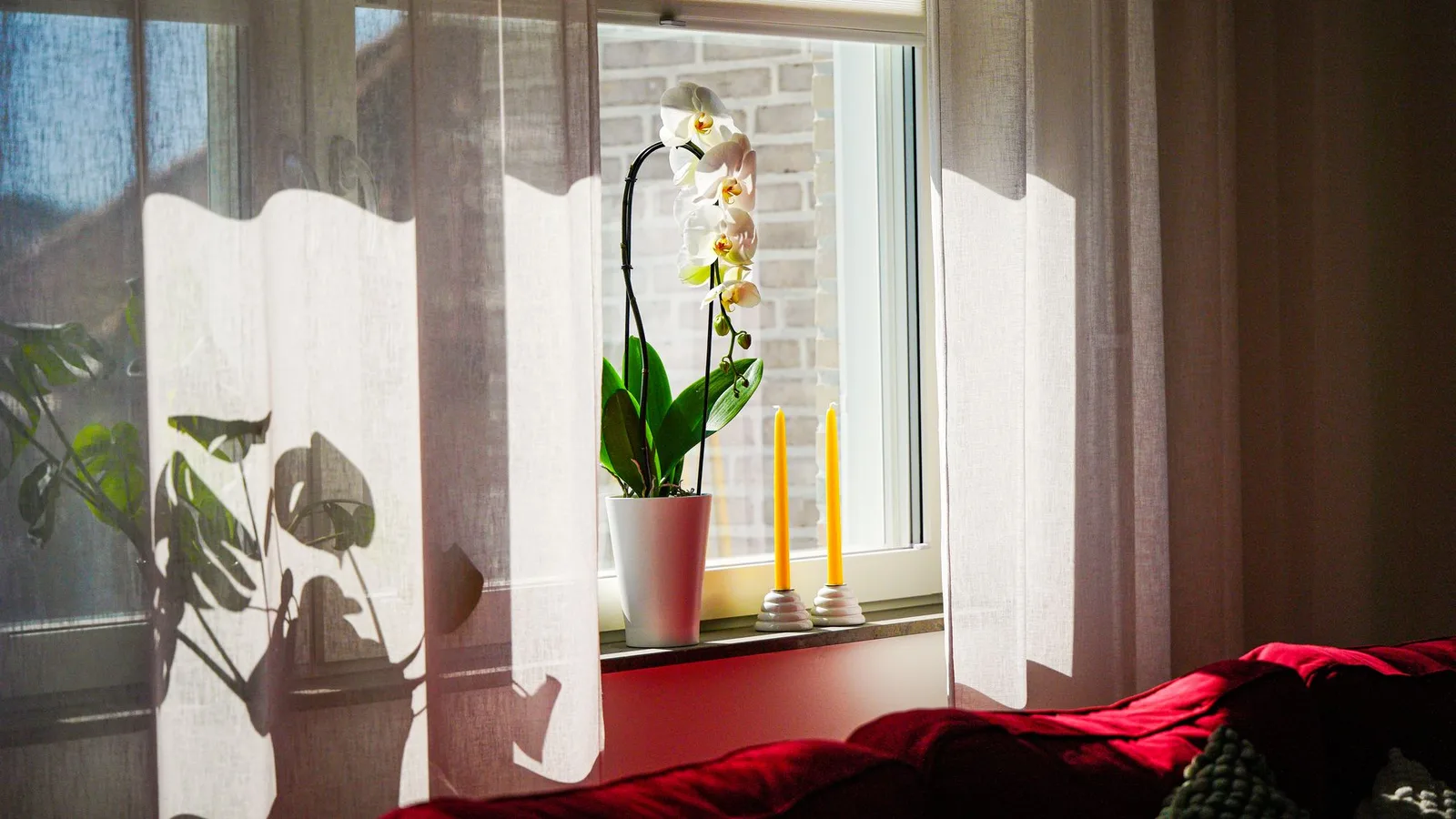
Al Wadi is an industrial and logistics district in south Jeddah, with warehouses, workshops and heavy machinery. The air is laden with greasy soot, metal particles and sea salt. Curtains here collect what is not immediately visible but damages the fibres silently. We clean them with specialist treatment to remove oils and metallic deposits, then rehang them clean and fresh.
- Fabric type checked first
- A deep clean, not a surface spray
- Rails and hooks included
- Rehung and pressed in place
Why curtains need more than a surface clean
Nasser bin Eid Street and the King Faisal branch road run through a district of licensed modern warehouses, and continuous heavy traffic from the port and logistics operations raises rust particles and engine oil mist.
-
Curtain heads re-soil faster than floors
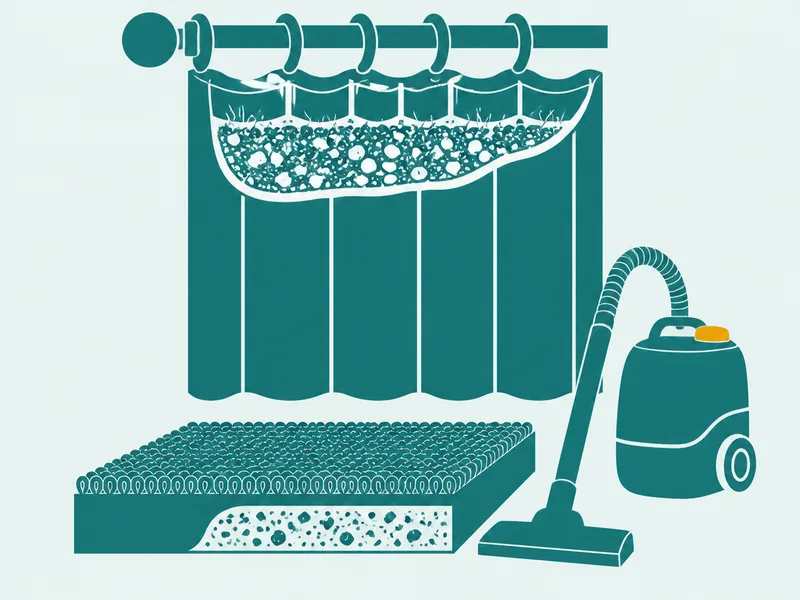
Industrial zone curtains accumulate greasy soot and metal particles quite unlike residential areas, requiring specialist chemical treatment to remove.
-
Humidity turns a poor clean into odour
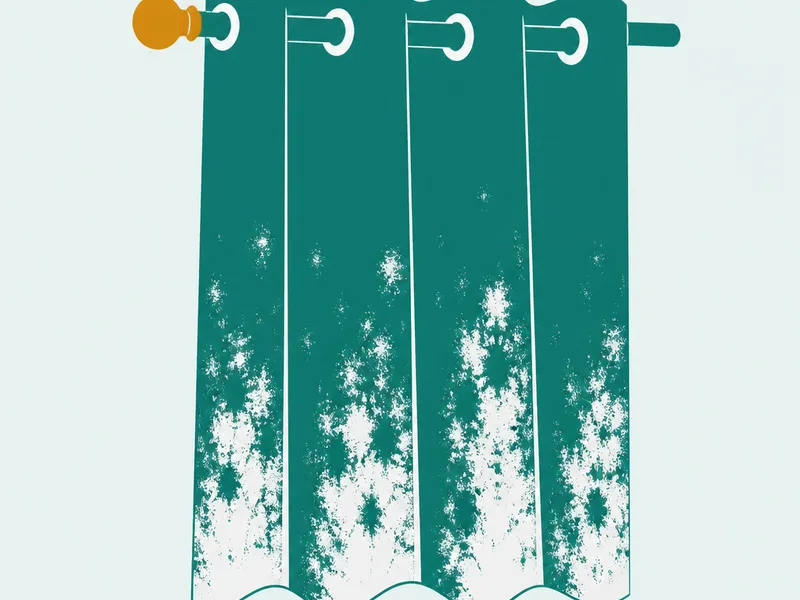
Port humidity causes soot odour to return quickly if the cleaning has not penetrated every fibre to remove all absorbed dampness.
-
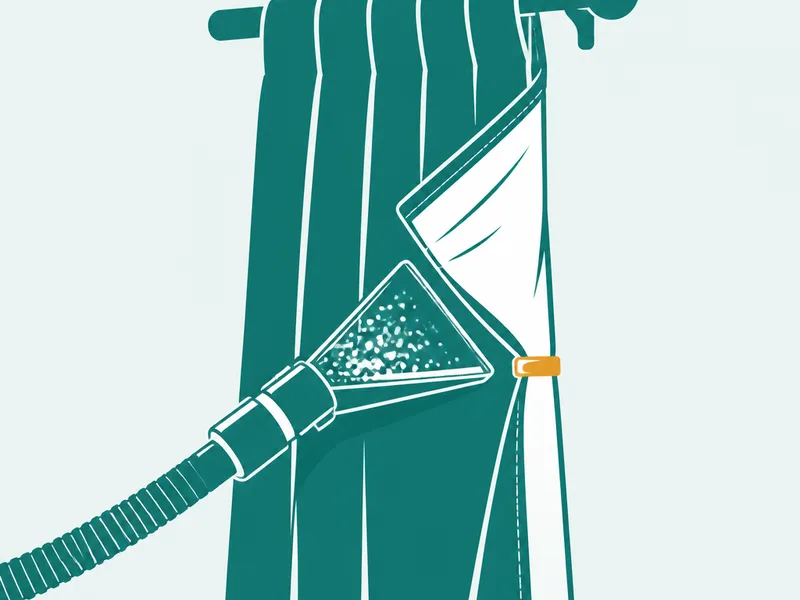
Lined drapes cannot go in a machine
Warehouses and industrial offices are usually straightforward to prepare, and work is efficient because curtains are practical rather than decorative.
-
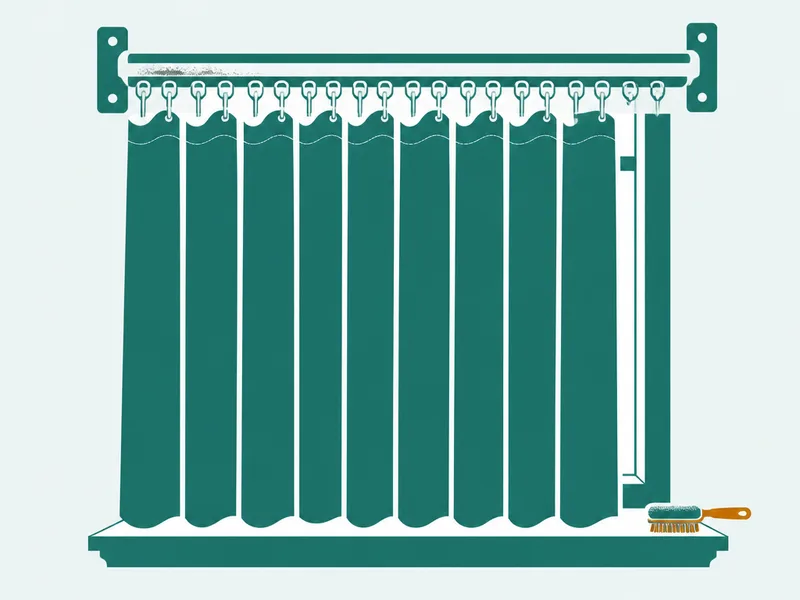
Rails and gliders carry their own grime
Metal rails and gliders corrode rapidly in industrial damp, and regular inspection and treatment are essential to prevent severe deterioration.
What every curtain clean includes
-
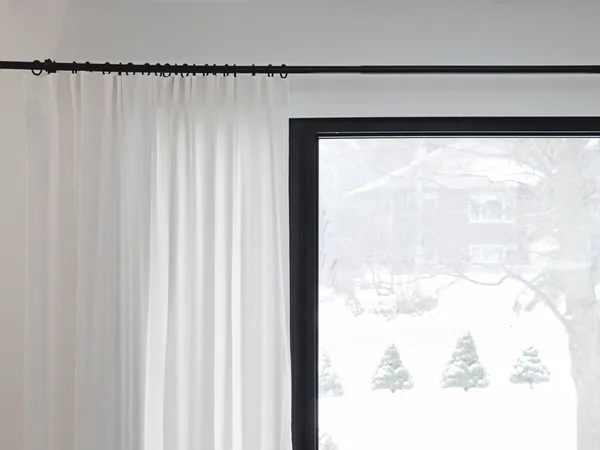
Inspect curtain fabric type
-
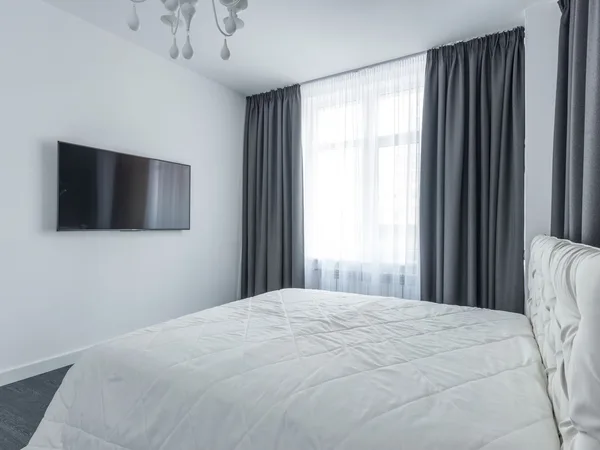
Remove curtains from rails
-
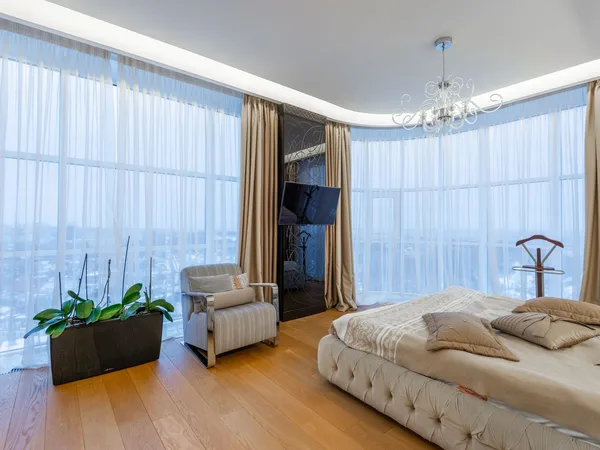
Label each curtain by window
-
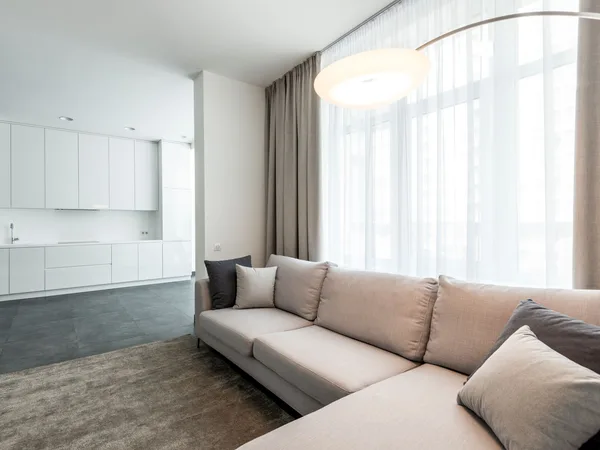
Pre-treat visible stains
-
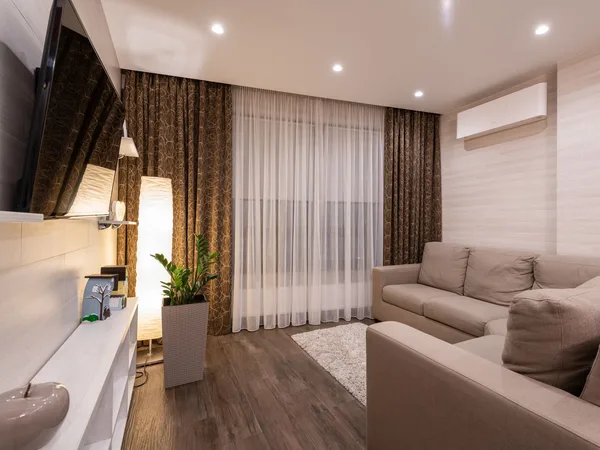
Clean rails while curtains are off
-
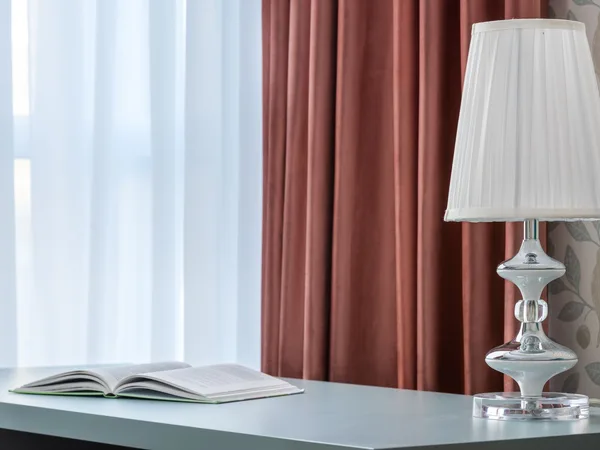
Clean the fabric with the method that suits it
-
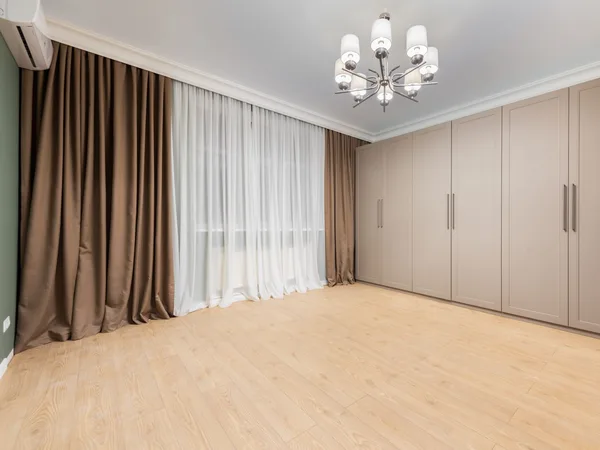
Rehang curtains in original position
-
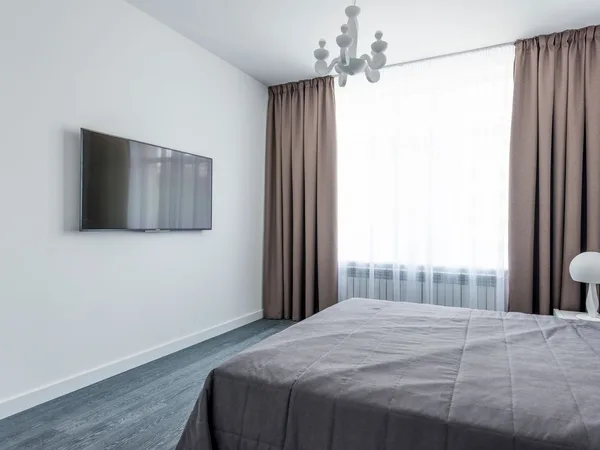
Press curtains while hanging
How a curtain clean works
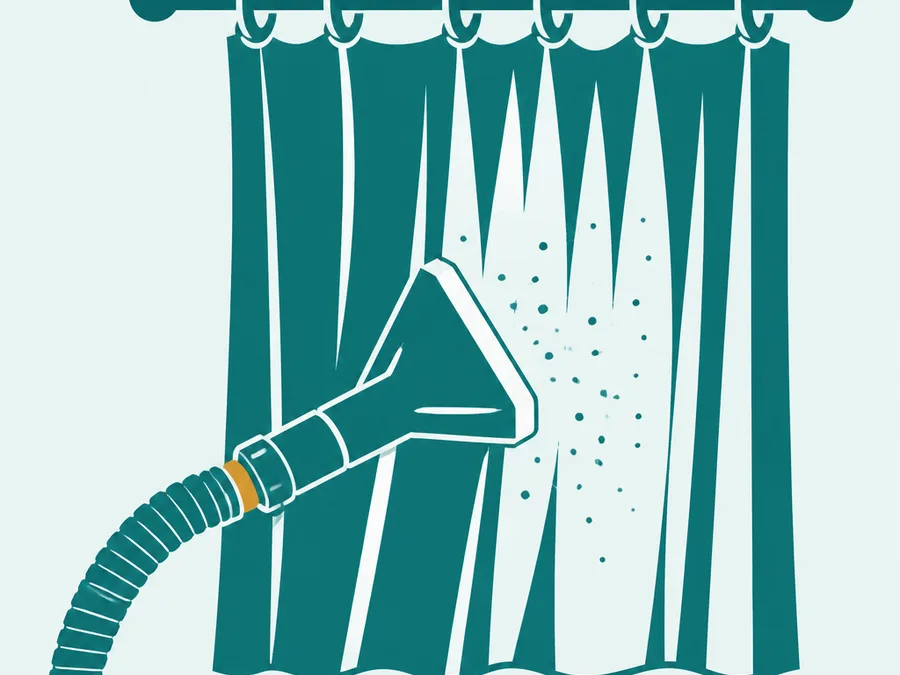
-
Assess and prepare
-
Take down and spot-treat
-
Clean the fabric and rails
-
Rehang and press in place
What changes about curtain cleaning in Al Wadi
Curtains in Al Wadi need different treatment because what they accumulate differs fundamentally from residential quarters, and drying is slow because port humidity remains consistently high. For the whole method, see our curtain cleaning service.
-
The first reason
Greasy soot from heavy machinery bonds tightly to fabric
Large cranes and heavy truck engines generate an unusual greasy soot quite unlike car exhaust. This soot mingles with industrial oils and adheres to the fibres with great force, responding poorly to water and requiring chemical breaking action to lift.
-
The second reason
Fine metal particles and rust accelerate fibre degradation
Logistics movement raises fine metal filings and rust fragments from containers and machinery. These particles work into curtains and cause progressive weakening of the fibres and colour bleeding if not completely removed on a regular basis.
-
The third reason
Port moisture traps greasy soot deeper into the weave
High port humidity makes the greasy soot adhere more strongly and soak into the fabric. Drying is slow even after professional cleaning, and residual moisture means any odour will remain locked into the cloth.
The character of Al Wadi
Industrial area: workshops, warehouses and loading yards
An industrial district means curtains face unique pressure from greasy soot and metal debris on one side and constant sea humidity from the adjacent port on the other. Cleaning must remove oils, rust particles and salt locked deep in the weave, not merely the curtain surface.
What the room looks like afterward

Fabric that hangs without odour
Curtains that smelled of dust or damp no longer carry that smell after cleaning.
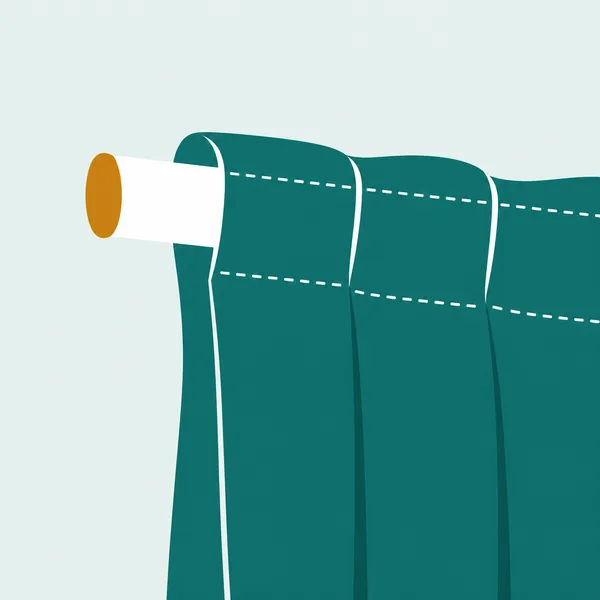
Curtains back on the correct rail
Each panel is tagged by window before it comes down, so every curtain returns to the exact position it started in.
Rails clean before the fabric returns
The track and gliders are wiped while the curtains are off.
What our customers said
«شغلهم ما شاء الله، أنصح الجميع بالتعامل معهم. عن تجربة وثقة.»
«أفضل شركة تنظيف بالبخار. أسعارهم ممتازة وشغلهم مرة كويس.»
«خدمة ممتازة.»
«ممتازين.»
Some of our work
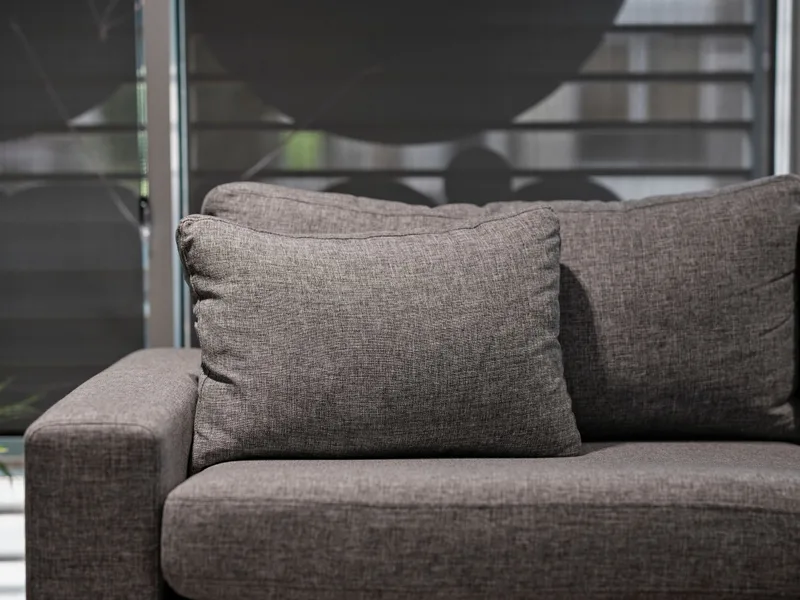
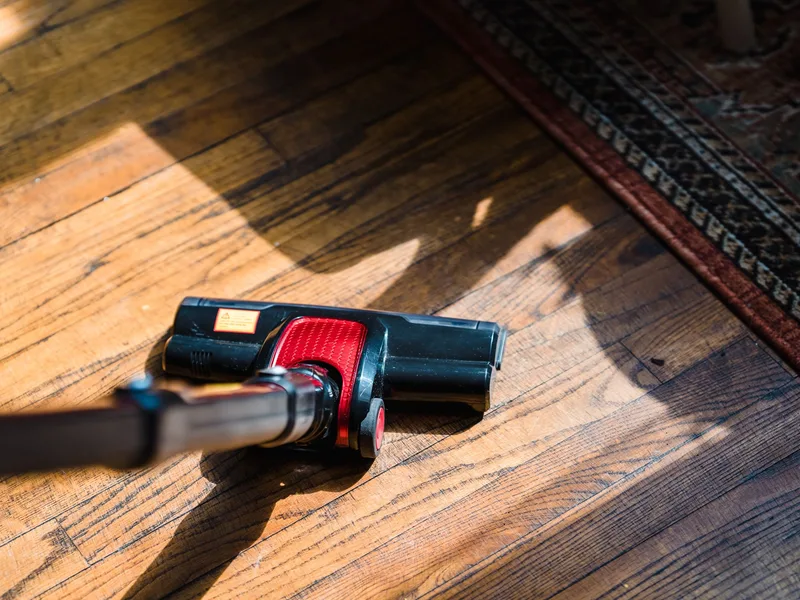
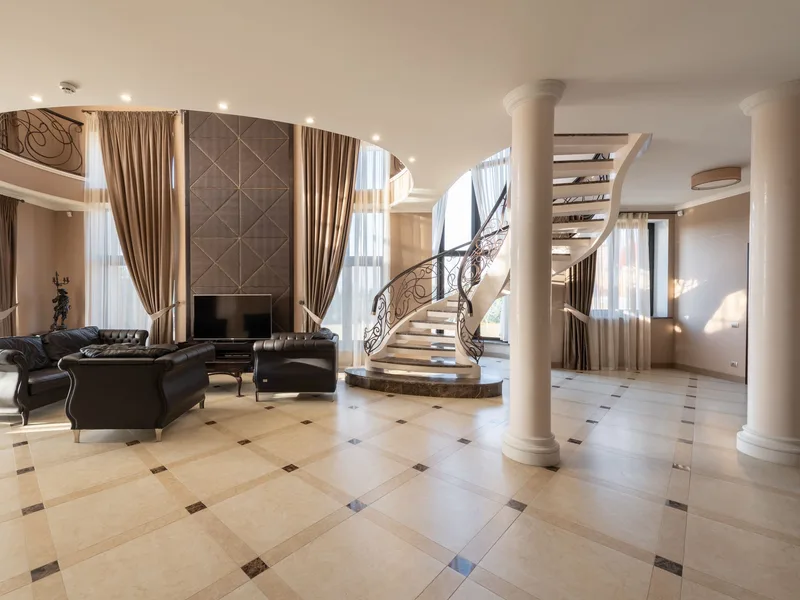
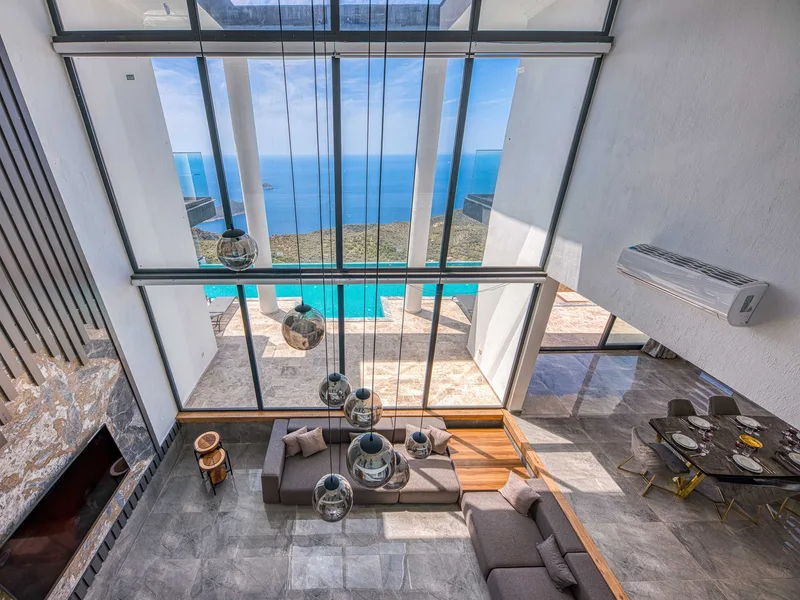
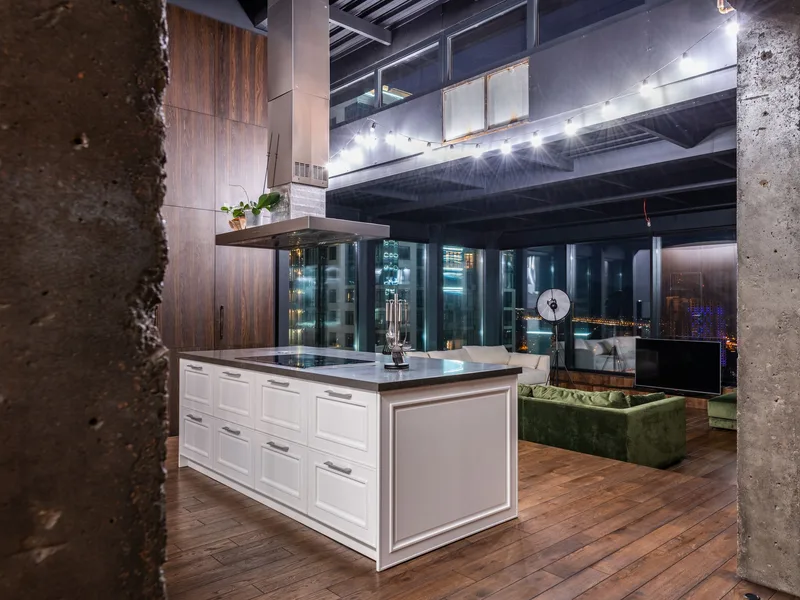
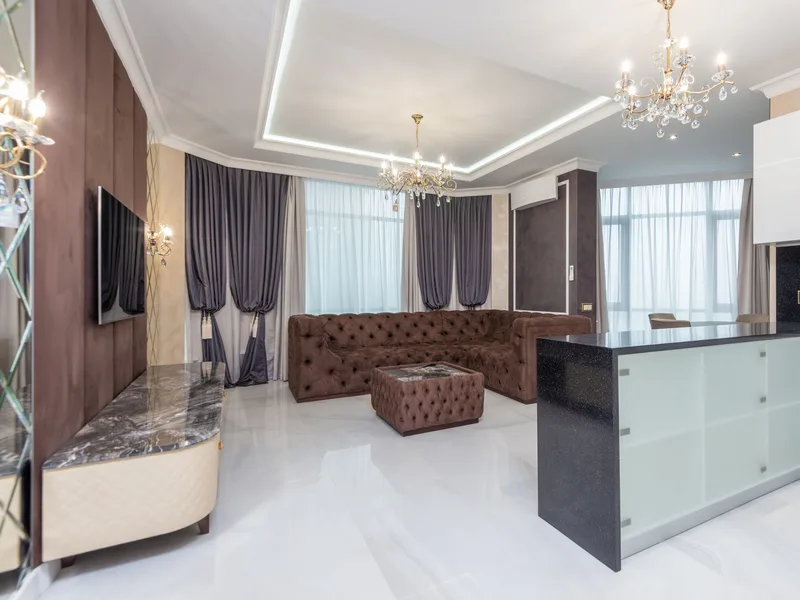
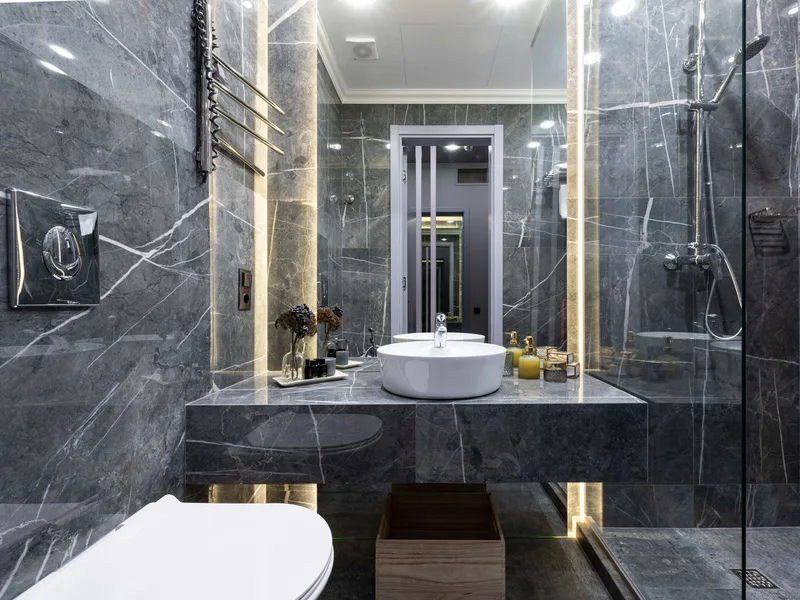
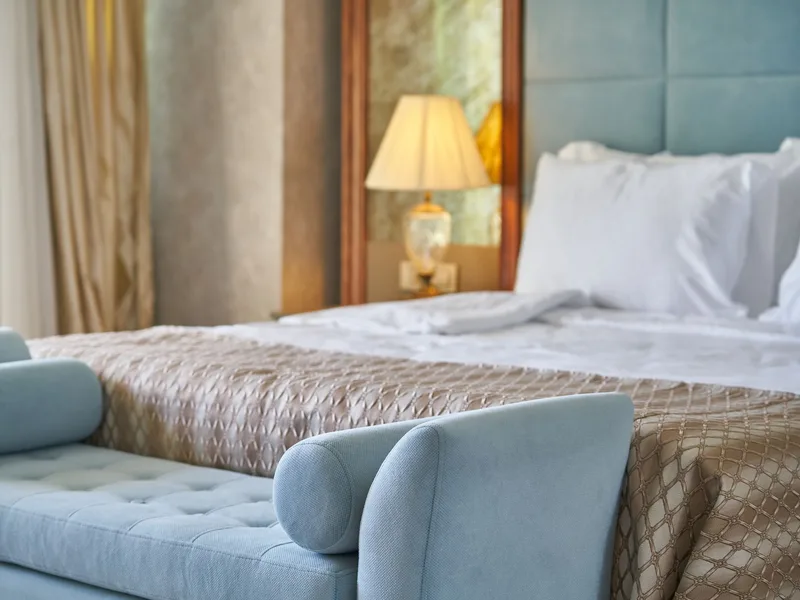
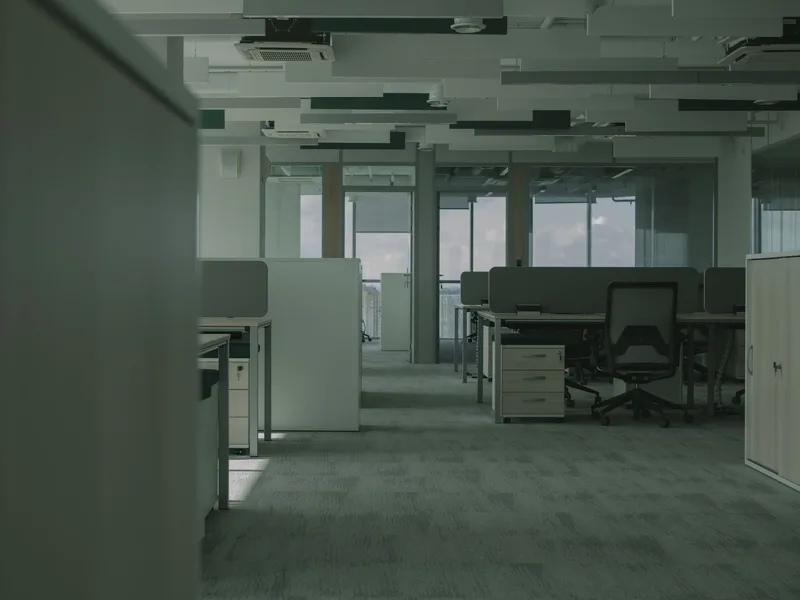
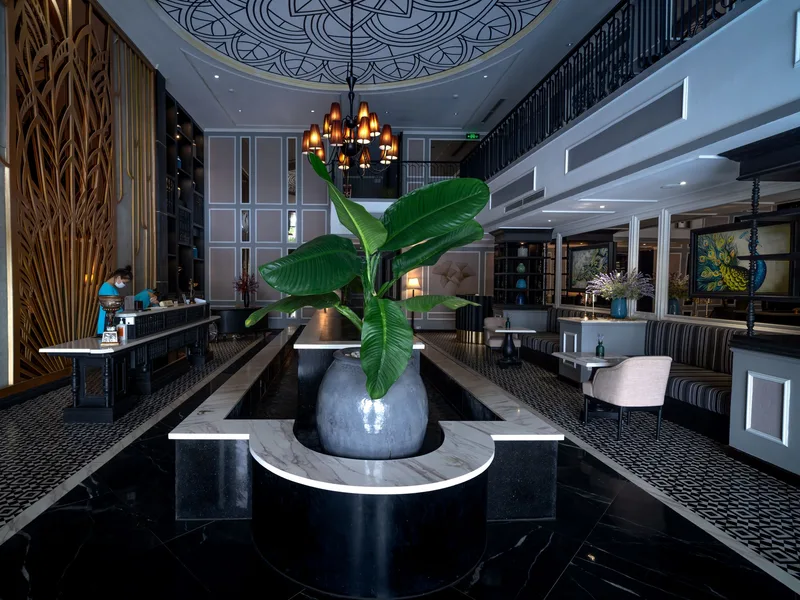
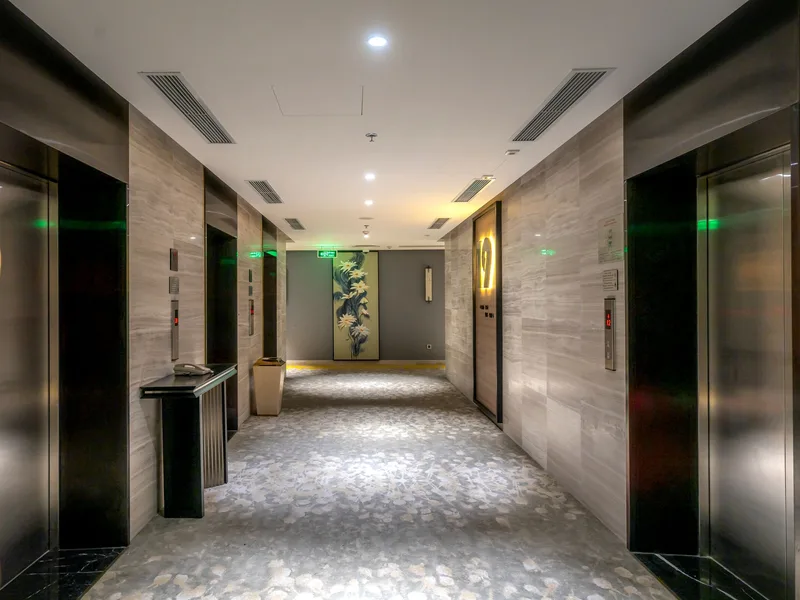
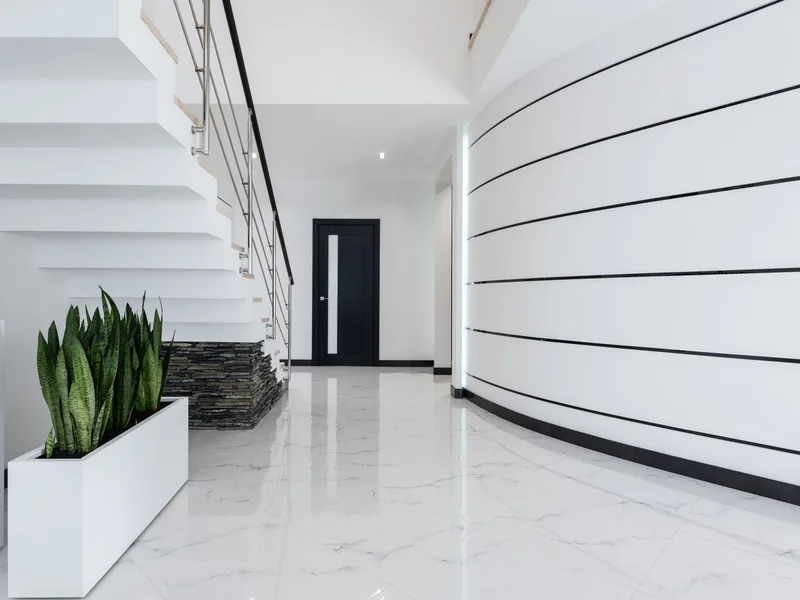
Illustrative photographs. Our own job photographs go here as soon as the client approves them.
What is different about South Jeddah
South Jeddah is the working end of the city: the Islamic Port, the industrial city with its warehouses and workshops, and behind them older low rise districts such as Ghulail and Al Khumrah. The roads are built for lorries, and port and factory traffic runs through the night, so the dust that settles here is grey with diesel and metal filings rather than pale sand. Buildings are mostly older concrete with flat roofs and open stairwells that collect it. Sea humidity keeps it damp, and in summer it sets hard on ledges and cladding.
Nearby districts we cover
Questions worth asking first
Yes, specialist treatment removes deep odours linked to soot and metals. However, the industrial location means odours may gradually return if humidity remains consistently high.
Heavy fabrics are relatively resistant, but metal particles do progressively weaken the fibres. Regular professional cleaning prevents accumulation that causes noticeable degradation.
Port moisture and industrial humidity slow drying very substantially. Eighteen to twenty-four hours may be required for complete drying throughout the fabric.
Yes, if the curtains are in office spaces separate from the warehouse floor. Office work happens independently of outside industrial operations.
Three to four times yearly is recommended. Soot, metal particles and humidity make regular maintenance cycles an essential operational requirement.
Yes, markedly so. Heavy activity generates particles rapidly, and professional cleaning on a cycle is the only effective solution to prevent harmful accumulation.
It is set after we see the job, because the price follows the kind of work, the size of the space, its condition and the time and materials it needs. Send a photo and a short description on WhatsApp and we will give you an estimate before we reach Al Wadi.
A standard villa with four to six rooms typically takes between three and five hours depending on the number of panels and how heavily lined they are.
Clear the floor area directly beneath each window so the team can lay panels flat while working.
Other services in Al Wadi
We also provide these services in Al Wadi.
-
 Retail cleaning
-
 School cleaning
-
 Sports ground cleaning
-
 Carpet and rug cleaning in Al Wadi
-
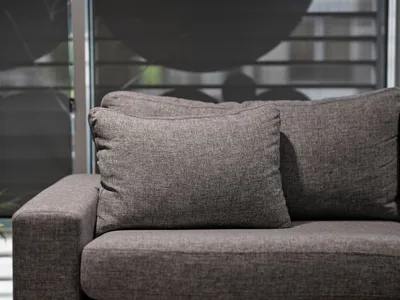 Sofa cleaning in Al Wadi
-
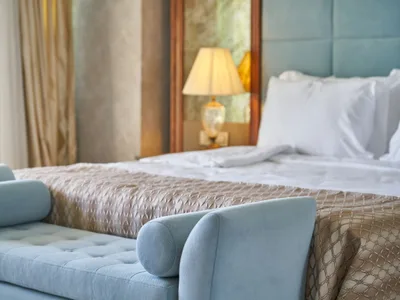 Mattress cleaning in Al Wadi
-
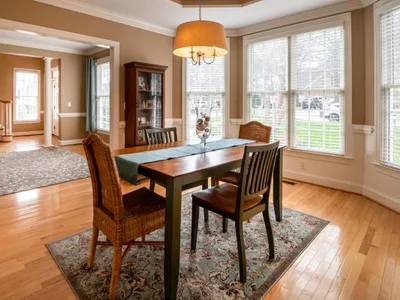 House cleaning in Al Wadi
-
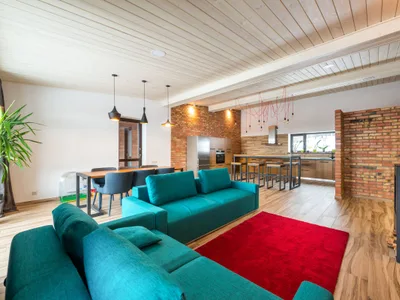 Apartment cleaning in Al Wadi
-
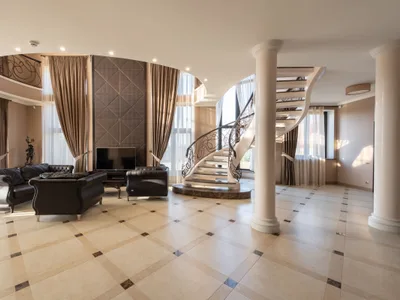 Villa cleaning in Al Wadi
-
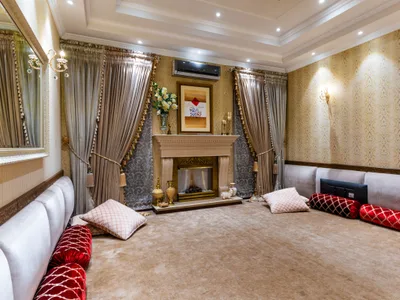 Majlis and rest-house cleaning in Al Wadi
-
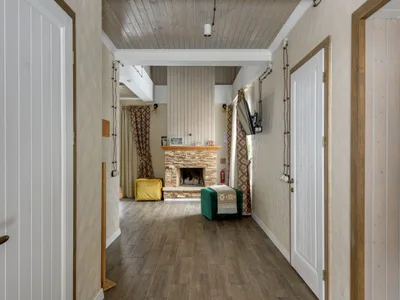 Chalet cleaning in Al Wadi
-
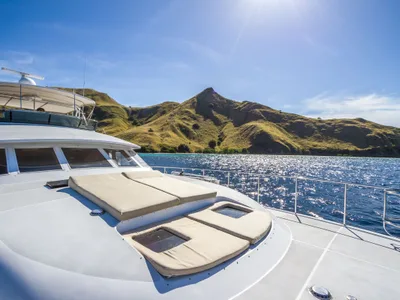 Yacht cleaning in Al Wadi
-
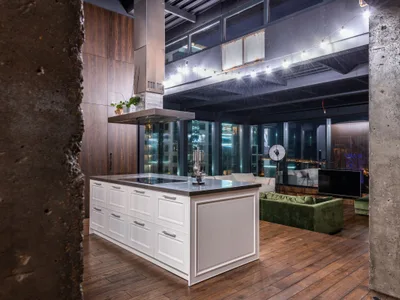 Kitchen cleaning in Al Wadi
-
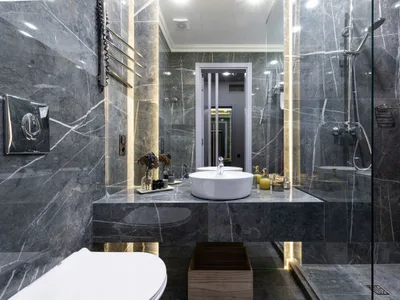 Bathroom cleaning in Al Wadi
-
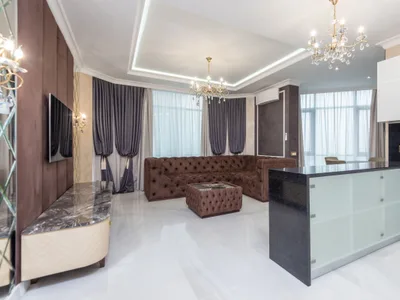 Chandelier cleaning in Al Wadi
-
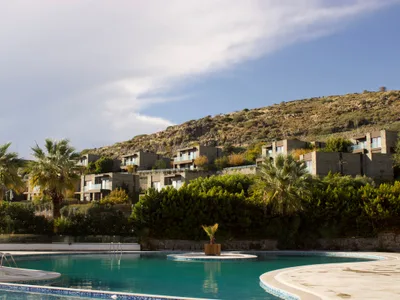 Swimming pool cleaning in Al Wadi
-
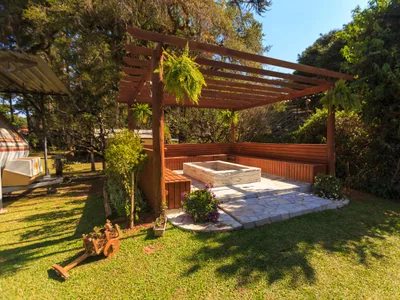 Garden clearance in Al Wadi
-
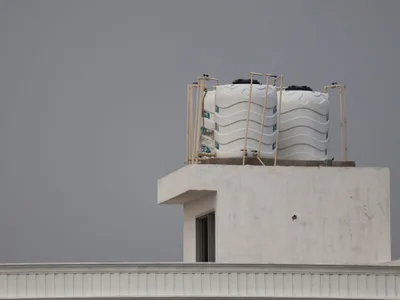 Water tank cleaning and sterilising in Al Wadi
-
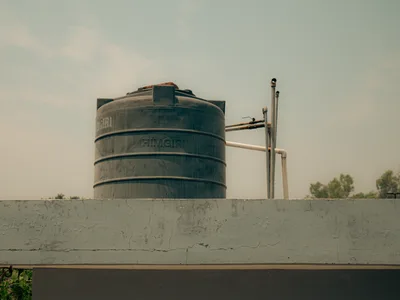 Water tank waterproofing in Al Wadi
-
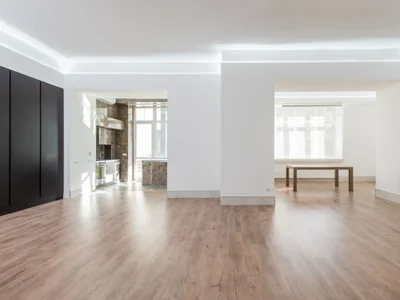 Full deep clean in Al Wadi
-
 Move in and move out cleaning in Al Wadi
-
 Post-construction cleaning in Al Wadi
-
 Disinfection and sanitising in Al Wadi
-
 Pest control in Al Wadi
-
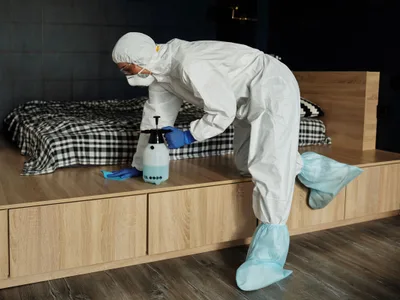 Bed bug treatment
-
 Office cleaning
-
 Restaurant cleaning
-
 Hotel and resort cleaning
-
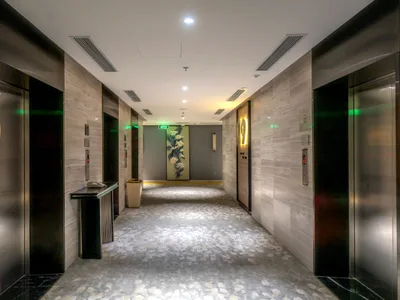 Shopping centre cleaning
-
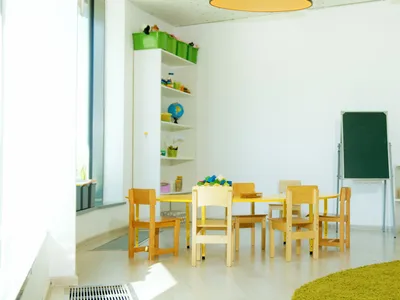 Nursery and kindergarten cleaning
-
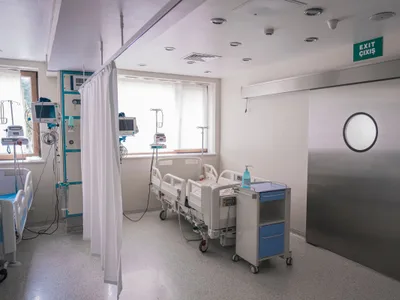 Hospital cleaning
-
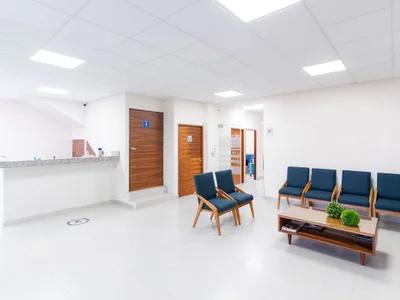 Clinic and health-centre cleaning
-
 Mosque cleaning
-
 Government facility cleaning
-
 Gym cleaning
-
 Factory and warehouse cleaning
-
 Event cleaning
-
 Commercial post-construction cleaning
-
 Building facade cleaning
-
 Air duct and HVAC cleaning
-
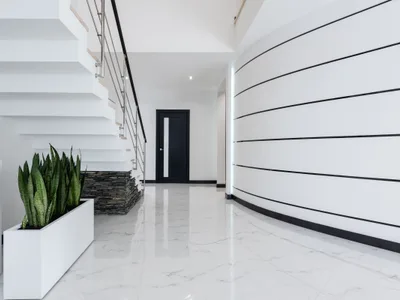 Marble grinding and crystal polishing
-
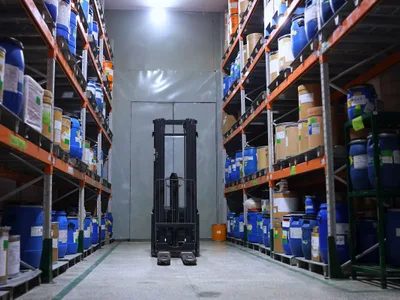 Commercial pest control