
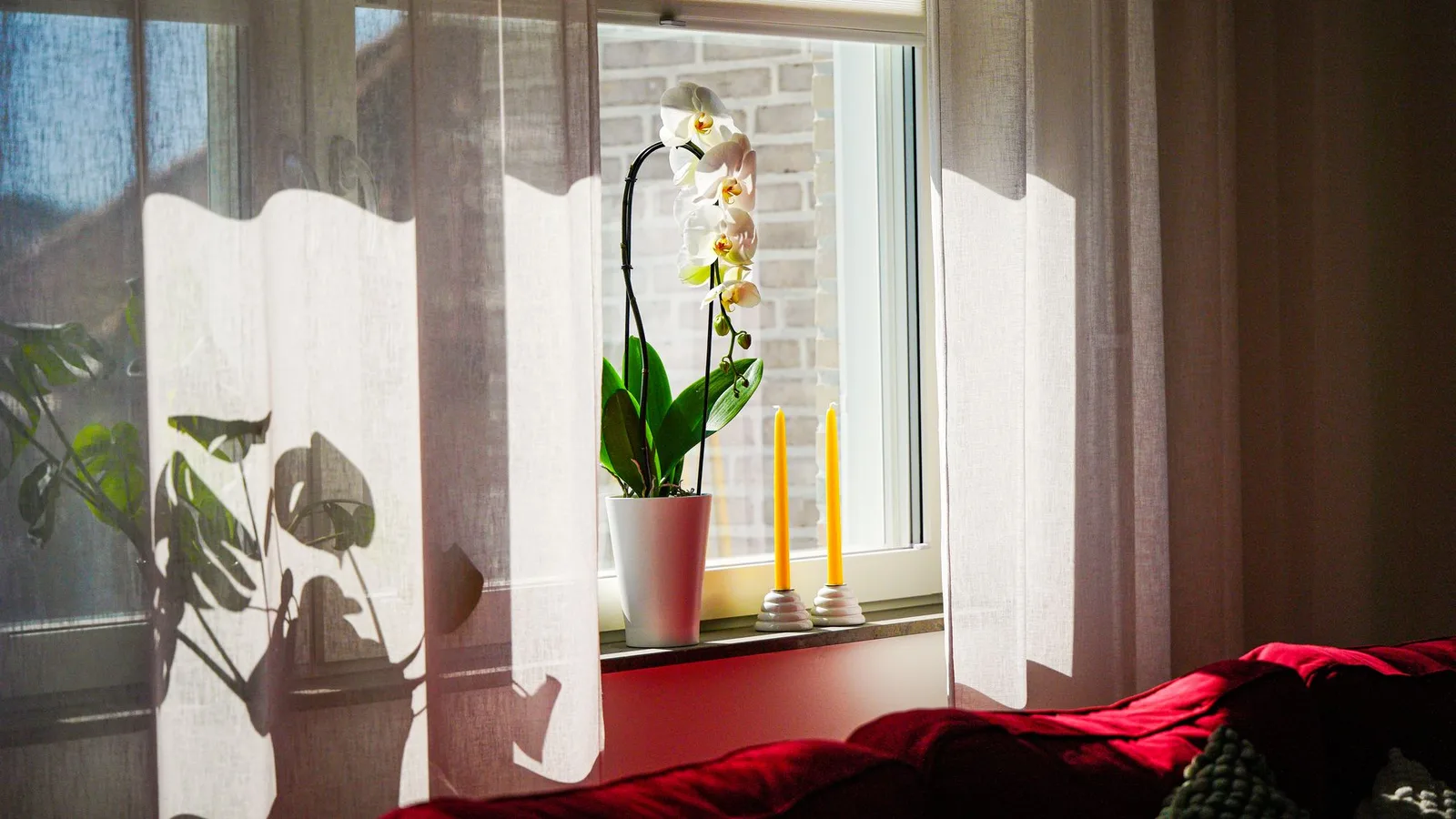
Curtain cleaning in Al Murjan, Jeddah
Al Murjan is a small seafront district on the north corniche, where the air carries salt spray continuously and humidity never drops. Curtains absorb the sea mist and become heavy and stiff, the fabric loses its natural give and shine, and cleaning must penetrate deep into the fibre to dissolve and lift the salt deposits that a surface wipe leaves behind.
- Fabric type checked first
- A deep clean, not a surface spray
- Rails and hooks included
- Rehung and pressed in place
Why curtains need more than a surface clean
A small coastal district on the north corniche between King Abdulaziz Road and the sea, with constant sea wind carrying salt spray and high humidity maintained through all seasons.
-
Curtain heads re-soil faster than floors
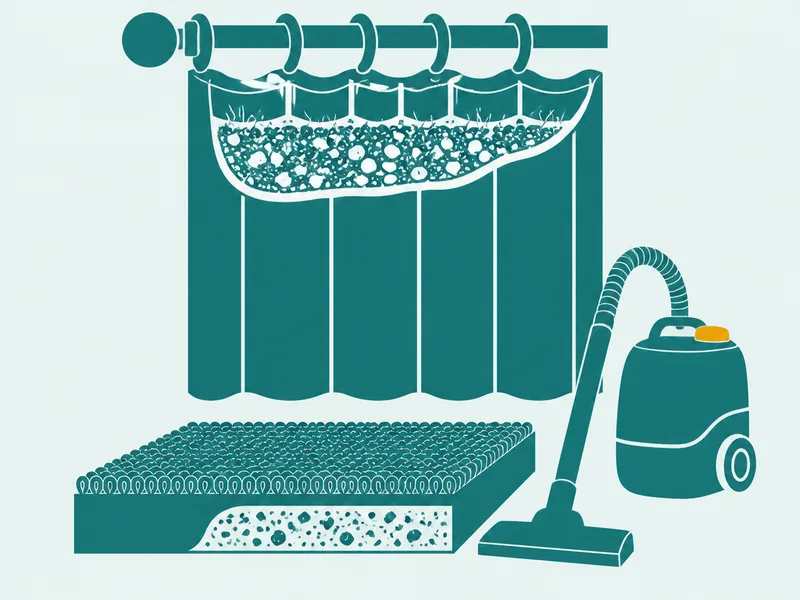
Salt particles settle and redeposit in curtain pleats and headers far faster on the coast than inland, aided by humidity that prevents natural evaporation.
-

Humidity turns a poor clean into odour
High humidity and salt together rebuild odour quickly if deep cleaning has not removed every salt grain and all residual matter from inside the fabric.
-

Lined drapes cannot go in a machine
Rehanging and pressing on the coast requires extra care because humidity moisture returns to the fabric immediately, and pressing must be complete before that happens.
-
Rails and gliders carry their own grime
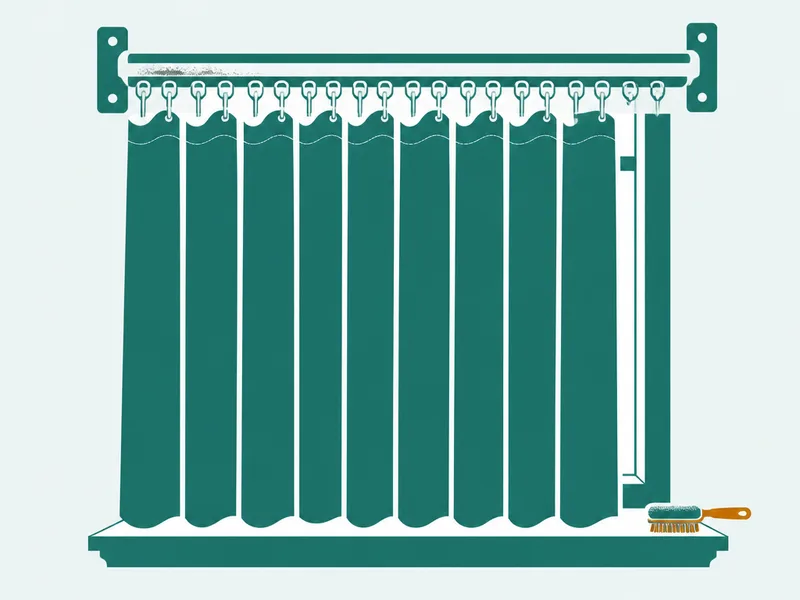
Rails and gliders rust faster on the corniche than anywhere inland. Cleaning includes rust removal from the metal and salt deposits in grooves that would otherwise catch and hold sand.
What every curtain clean includes
-
Inspect curtain fabric type
-
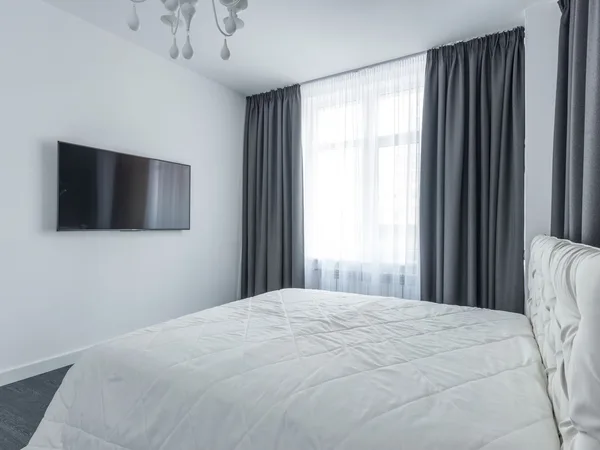
Remove curtains from rails
-
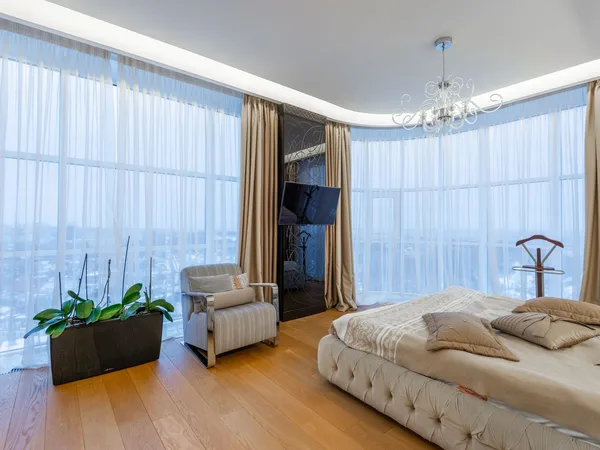
Label each curtain by window
-
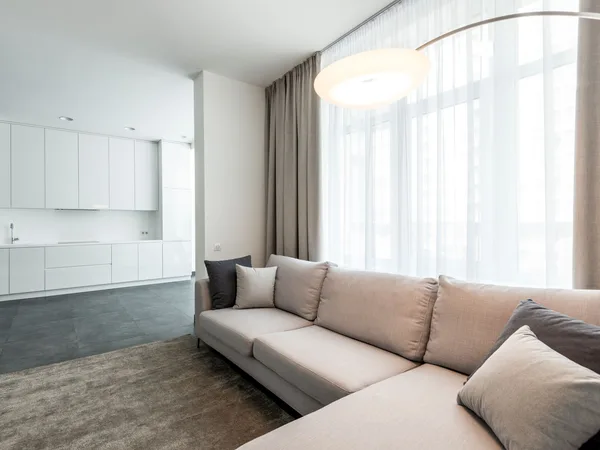
Pre-treat visible stains
-
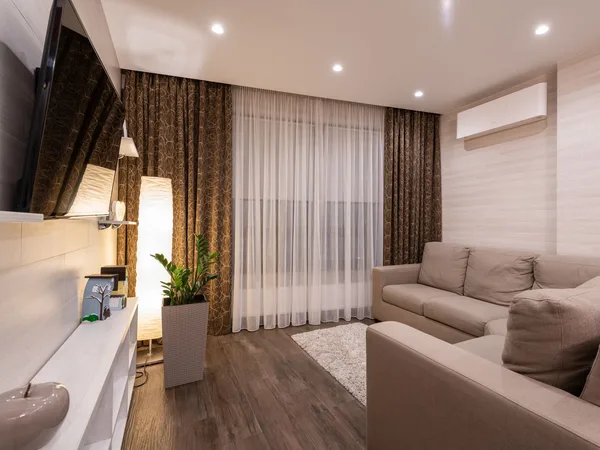
Clean rails while curtains are off
-
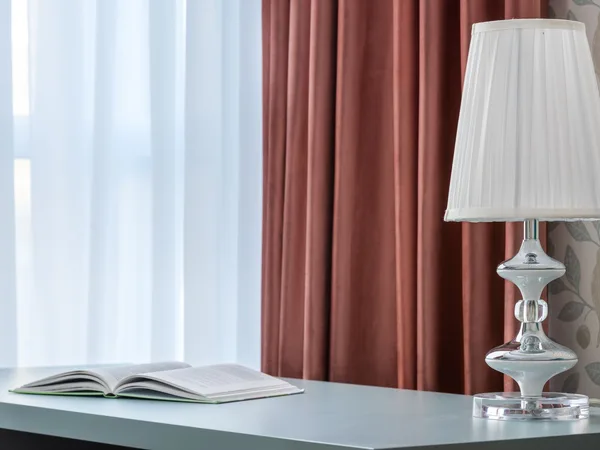
Clean the fabric with the method that suits it
-
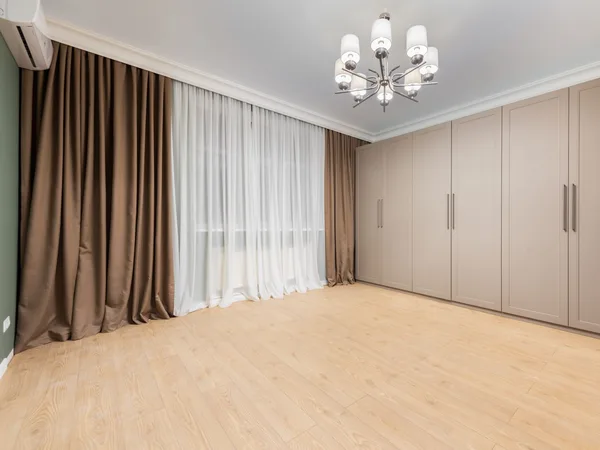
Rehang curtains in original position
-
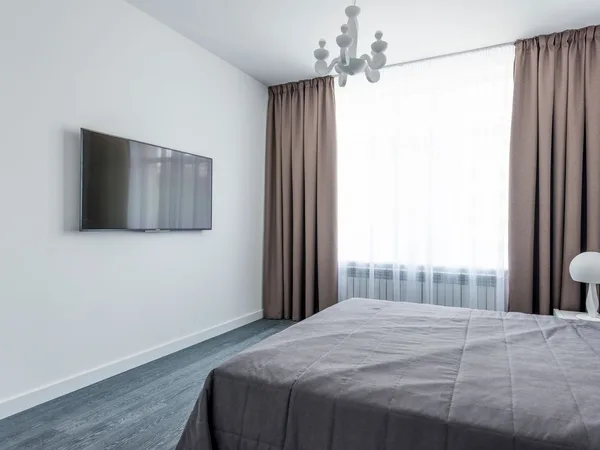
Press curtains while hanging
How a curtain clean works

-
Assess and prepare
-
Take down and spot-treat
-
Clean the fabric and rails
-
Rehang and press in place
What changes about curtain cleaning in Al Murjan
Coastal curtains become heavy and brittle from salt deposits within just a few months, and the fabric loses its softness and natural lustre with visible speed. For the whole method, see how we approach curtain cleaning.
-
The first reason
Sea salt penetrates deep into the weave
The steady sea wind carries fine salt particles through windows and onto curtain fabric, where they are absorbed deep into the fibres. Salt is hygroscopic, drawing moisture from the humid air and becoming tacky. Curtains grow heavy, may stick to themselves, and the salt is locked inside. Deep cleaning dissolves and lifts these particles completely, restoring the fabric's weight and drape.
-
The second reason
High humidity prevents air drying
The air never dries out, so even freshly cleaned curtains begin to feel damp again within hours. Drying must be active and rapid, and the fabric requires aftercare to hold its shape and hang properly after pressing. A quick dry in these conditions leaves the job half done.
-
The third reason
Waterfront villas and flats demand higher attention
Homes that face the sea directly suffer more soiling than those set back from the shore. Curtains on seaward windows need deeper treatment, and the metal rails and gliders are more prone to rust from the salt in the air, requiring cleaning and protection as part of the job.
Al Murjan on the map
Al Murjan sits about 2 km from Al Basateen and about 5 km from Al Muhammadiyah.
Open in Google MapsWhat the room looks like afterward

Fabric that hangs without odour
Curtains that smelled of dust or damp no longer carry that smell after cleaning.

Curtains back on the correct rail
Each panel is tagged by window before it comes down, so every curtain returns to the exact position it started in.

Rails clean before the fabric returns
The track and gliders are wiped while the curtains are off.
What our customers said
«شغلهم ما شاء الله، أنصح الجميع بالتعامل معهم. عن تجربة وثقة.»
«أفضل شركة تنظيف بالبخار. أسعارهم ممتازة وشغلهم مرة كويس.»
«خدمة ممتازة.»
«ممتازين.»
Some of our work

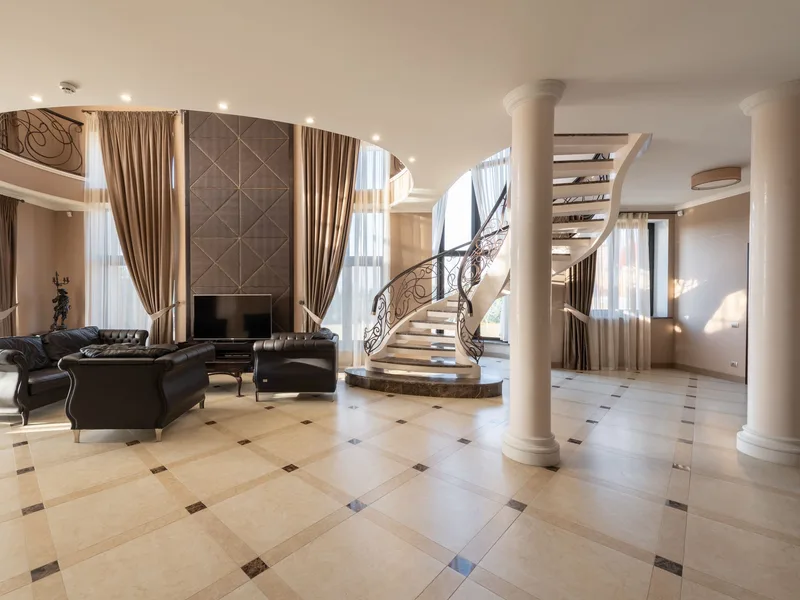
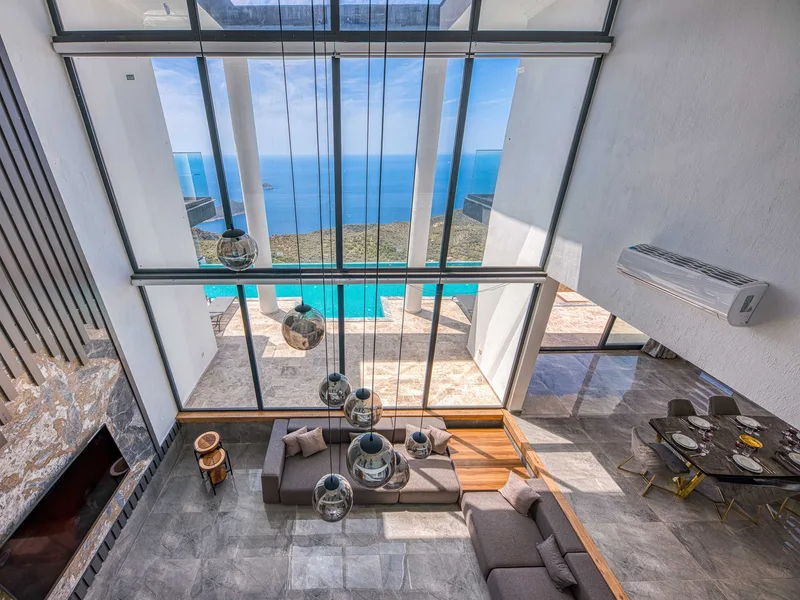
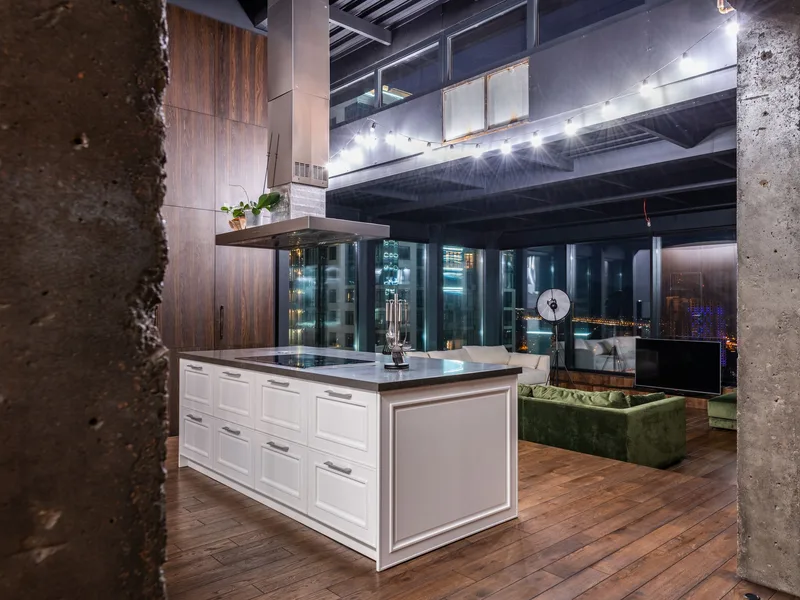
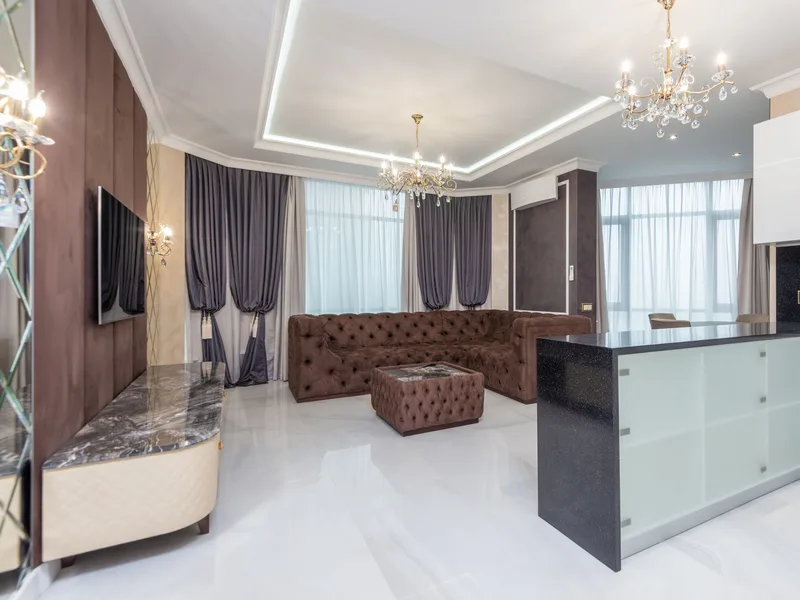
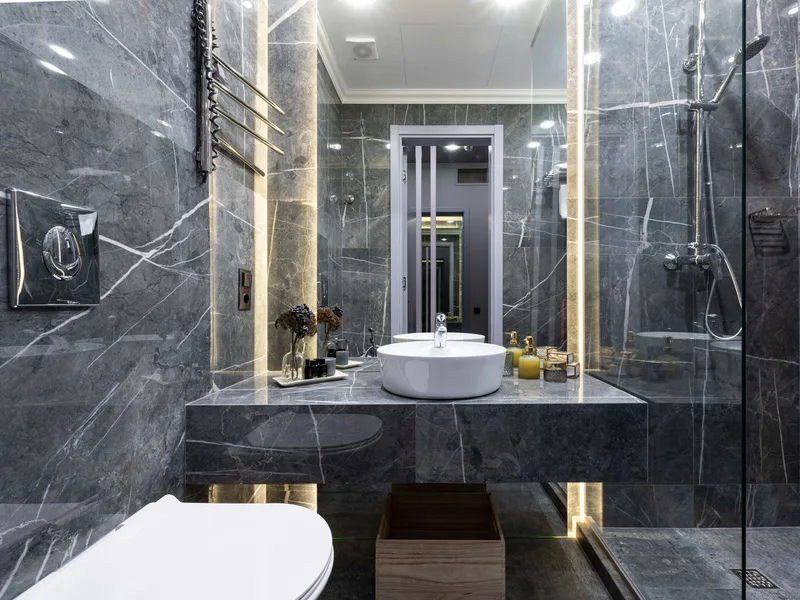
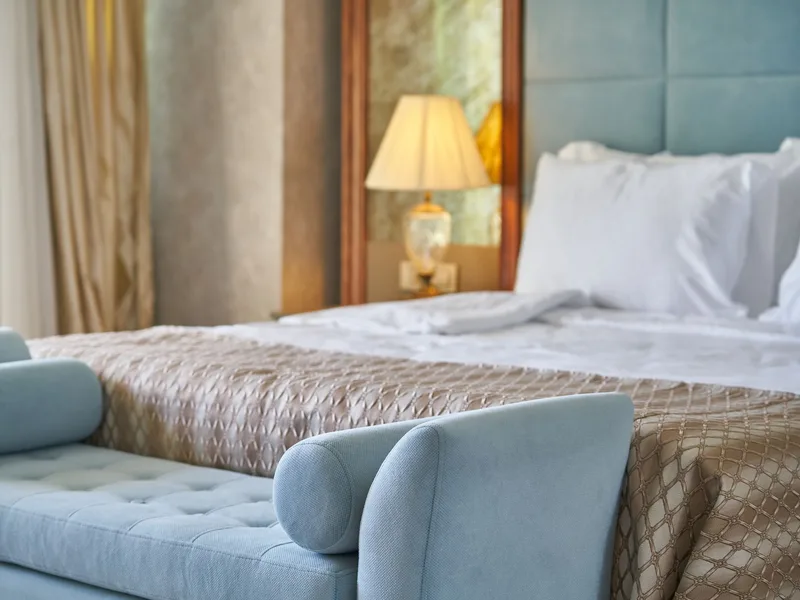
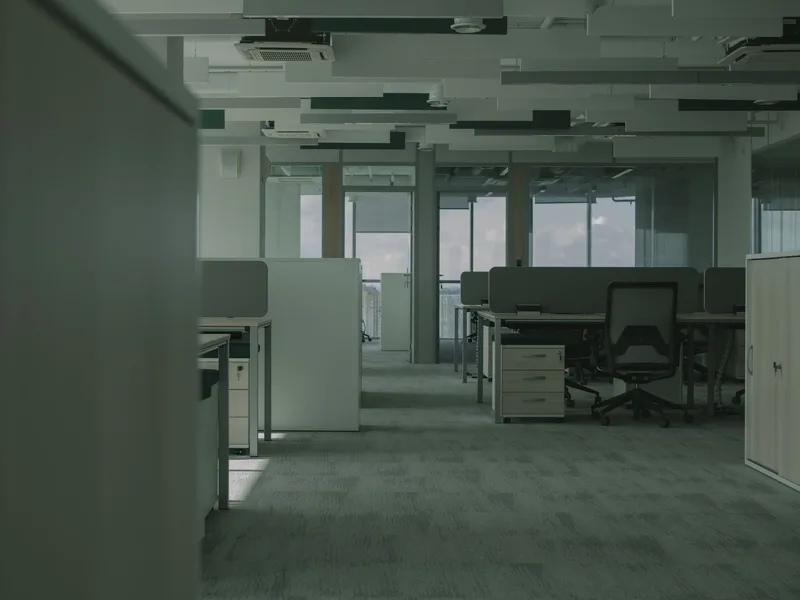
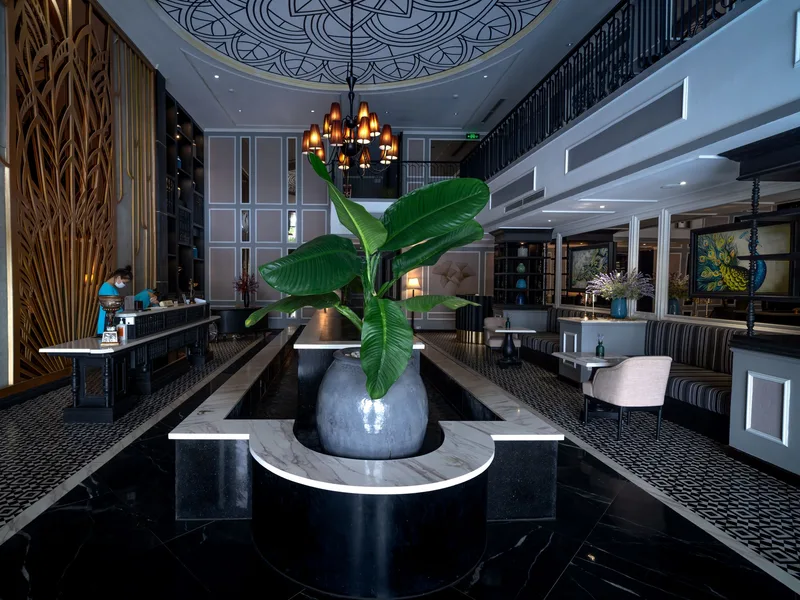
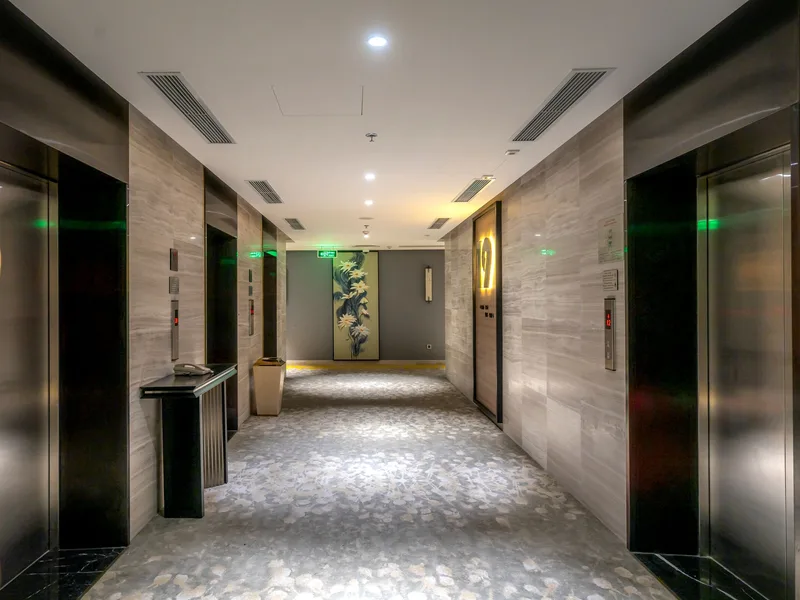
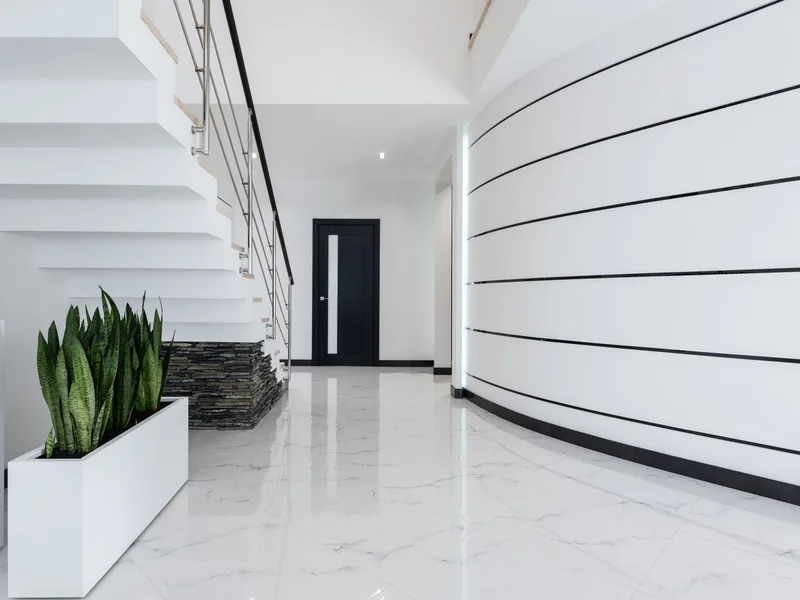
Illustrative photographs. Our own job photographs go here as soon as the client approves them.
What is different about West Jeddah
West Jeddah is the Corniche and the districts immediately behind it: a front line of glass towers and hotels on the waterfront, then older apartment streets and villa blocks inland. The building stock is a mix of ages, from concrete flats of the earlier expansion to new high rise on reclaimed ground. The sea wind is the constant here, carrying salt spray onto facades in every season and leaving a white bloom on rendered walls and a fog on glass. In humid summer months that film turns sticky and holds dust from the busy coastal road.
Nearby districts we cover
Questions worth asking first
No, but salt deposits in the weave gradually make the fabric stiff and brittle. Deep cleaning removes the accumulated salt and the fabric recovers its flexibility. Without regular maintenance, the salt returns quickly, and repeated cycles do age the fabric faster than in inland areas.
In high exposure areas, especially villas facing the sea directly, twice yearly cleaning is better than once. Salt accumulation is relentless, and twice yearly cleaning protects the fabric from progressive hardening and loss of colour.
Significantly. After cleaning, curtains may take much longer to dry fully in Al Murjan than in inland districts where the air is drier. Air movement and active drying help, but humidity is the limiting factor.
Good ventilation and clean curtains reduce salt buildup. Some fabrics come salt-resistant, but even those need regular cleaning to shed accumulated residue. No coating prevents salt exposure in a coastal environment; only removal works.
Heavy fabrics trap salt inside them more than light ones do. Light fabrics allow better air flow but damage more easily. Each type needs its own cleaning method, but routine cleaning is equally important for both; the difference is urgency, not necessity.
Yes, when the correct method is chosen for the pile. Coastal velvet dries faster than velvet in damp inland locations, but humidity still poses a risk of water marks if drying is not active and swift. Speed and air movement are critical here.
It is set after we see the job, because the price follows the kind of work, the size of the space, its condition and the time and materials it needs. Send a photo and a short description on WhatsApp and we will give you an estimate before we reach Al Murjan.
A standard villa with four to six rooms typically takes between three and five hours depending on the number of panels and how heavily lined they are.
Clear the floor area directly beneath each window so the team can lay panels flat while working.
Other services in Al Murjan
We also provide these services in Al Murjan.
-
 Retail cleaning
-
 School cleaning
-
 Sports ground cleaning
-
 Carpet and rug cleaning in Al Murjan
-
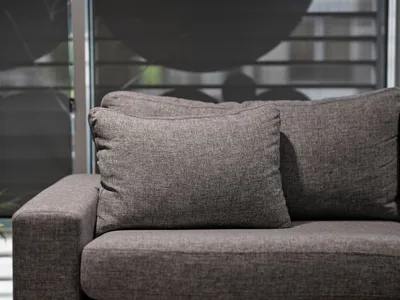 Sofa cleaning in Al Murjan
-
 Mattress cleaning in Al Murjan
-
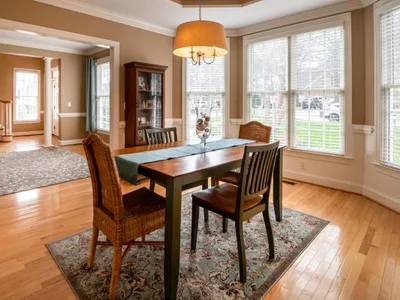 House cleaning in Al Murjan
-
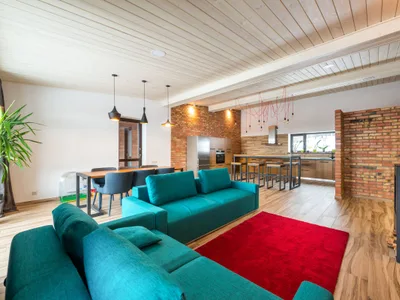 Apartment cleaning in Al Murjan
-
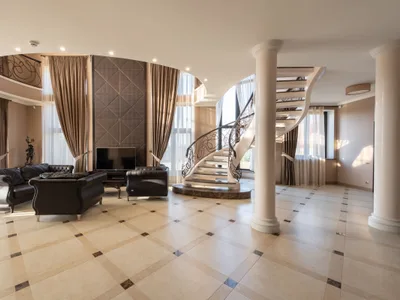 Villa cleaning in Al Murjan
-
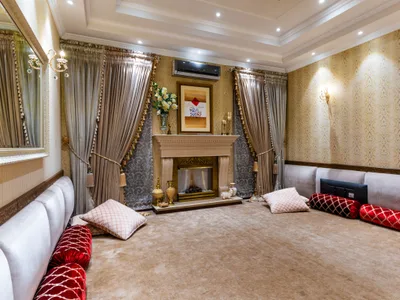 Majlis and rest-house cleaning in Al Murjan
-
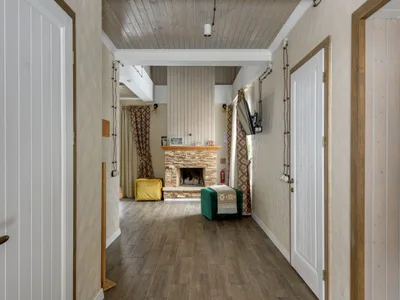 Chalet cleaning in Al Murjan
-
 Yacht cleaning in Al Murjan
-
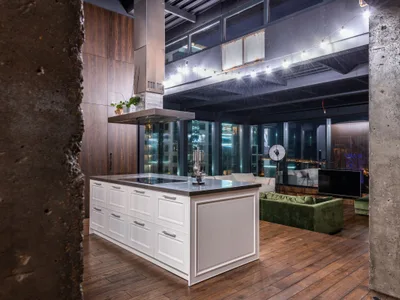 Kitchen cleaning in Al Murjan
-
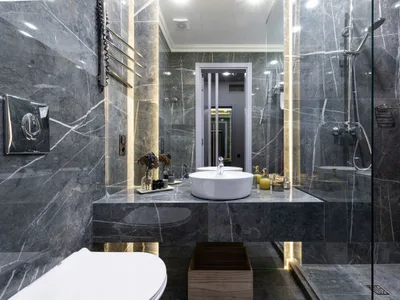 Bathroom cleaning in Al Murjan
-
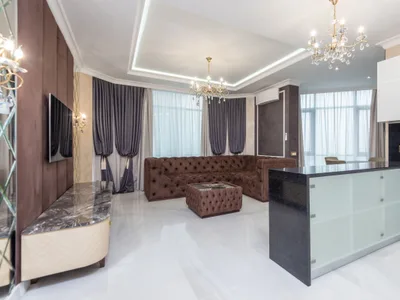 Chandelier cleaning in Al Murjan
-
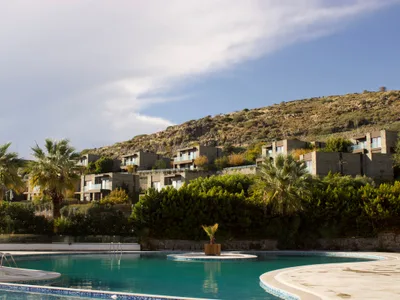 Swimming pool cleaning in Al Murjan
-
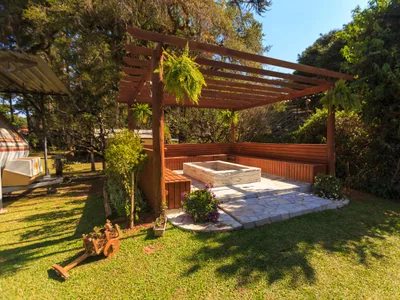 Garden clearance in Al Murjan
-
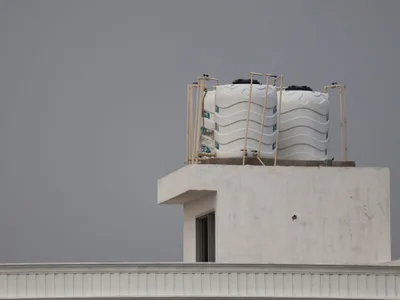 Water tank cleaning and sterilising in Al Murjan
-
 Water tank waterproofing in Al Murjan
-
 Full deep clean in Al Murjan
-
 Move in and move out cleaning in Al Murjan
-
 Post-construction cleaning in Al Murjan
-
 Disinfection and sanitising in Al Murjan
-
 Pest control in Al Murjan
-
 Bed bug treatment
-
 Office cleaning
-
 Restaurant cleaning
-
 Hotel and resort cleaning
-
 Shopping centre cleaning
-
 Nursery and kindergarten cleaning
-
 Hospital cleaning
-
 Clinic and health-centre cleaning
-
 Mosque cleaning
-
 Government facility cleaning
-
 Gym cleaning
-
 Factory and warehouse cleaning
-
 Event cleaning
-
 Commercial post-construction cleaning
-
 Building facade cleaning
-
 Air duct and HVAC cleaning
-
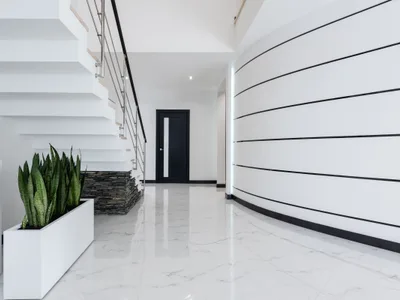 Marble grinding and crystal polishing
-
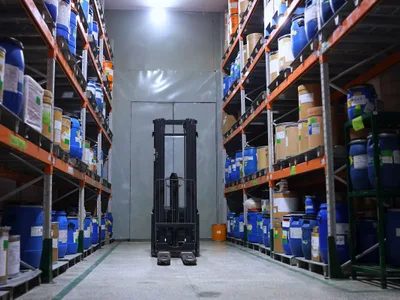 Commercial pest control